Loading article
Serving Southwest Florida for 25+ Years
24/7 Emergency: (239) 643-1990
MoldHealth & Safety
Types of Mold You Can Find in Florida Homes
Florida's warm, humid climate makes it one of the most mold-prone states in the country. If you own a home in Naples, Fort Myers, or anywhere in Southwest Florida, understanding the types of mold that could be growing in your property is the first step toward protecting your family and your investment.
Stachybotrys (Black Mold)
Black mold is the species most homeowners fear — and for good reason. Stachybotrys produces mycotoxins that can cause serious respiratory issues, headaches, and fatigue with prolonged exposure.
Where it grows: Black mold thrives on cellulose-rich materials like drywall, wood, and carpet backing. It almost always follows a significant water event — a burst pipe, roof leak, or flooding.
What to do: Never attempt DIY removal. Black mold requires professional containment and remediation with HEPA filtration to prevent spore spread.
Aspergillus
Aspergillus is one of the most common indoor molds in Florida. While many species are harmless, some can trigger allergies, respiratory infections, and — in immunocompromised individuals — a serious condition called aspergillosis.
Where it grows: HVAC systems, damp walls, insulation, and stored food. It's often greenish-yellow but can appear in many colors.
What to do: If you're experiencing persistent allergy symptoms that improve when you leave home, schedule an air quality test to check for elevated Aspergillus spore counts.
Penicillium
You might recognize the name from the antibiotic — but Penicillium mold in your home is no friend. It spreads rapidly and produces a strong musty odor that's hard to ignore.
Where it grows: Water-damaged drywall, wallpaper, carpet, and insulation. It's commonly blue or green and has a velvety texture.
What to do: Because Penicillium spreads so quickly, early detection and professional remediation are critical. The longer you wait, the more surfaces become contaminated.
Cladosporium
Cladosporium is the most common outdoor mold, but it easily enters homes through open windows, doors, and HVAC systems. It's less dangerous than Stachybotrys but can still aggravate allergies and asthma.
Where it grows: Fabrics, carpets, wood surfaces, and inside HVAC ductwork. Unlike many molds, Cladosporium can grow in cooler temperatures too.
What to do: Regular air duct cleaning and HVAC maintenance can significantly reduce Cladosporium levels in your home.
When to Call a Professional
If you notice any of these signs, it's time to call a certified mold remediation company:
- Visible mold growth of any color
- A persistent musty odor
- Recent water damage or flooding
- Allergy symptoms that improve when you leave the house
- Condensation on windows or walls
At DryZone, our IICRC and NORMI-certified technicians use thermal imaging, air sampling, and laboratory analysis to identify exactly what you're dealing with — and eliminate it at the source.
Think you might have mold? Call (239) 643-1990 for a free assessment.
Related service
Need mold help in Naples?
DryZone provides mold inspection, mold testing, containment, removal, drying, and black mold cleanup for Naples properties.
Naples mold remediation servicesRelated Articles

Hidden Mold in Estero Seasonal Homes: What Snowbirds Miss
Estero seasonal homes left closed for months often hide mold in closets and AC rooms. Learn inspection tips, humidity control, and remediation next steps.
Mold After AC Failure in Fort Myers: What Homeowners Should Do
When Fort Myers AC fails in humid weather, indoor moisture can spike fast. Learn warning signs, drying steps, and when to call mold remediation pros.
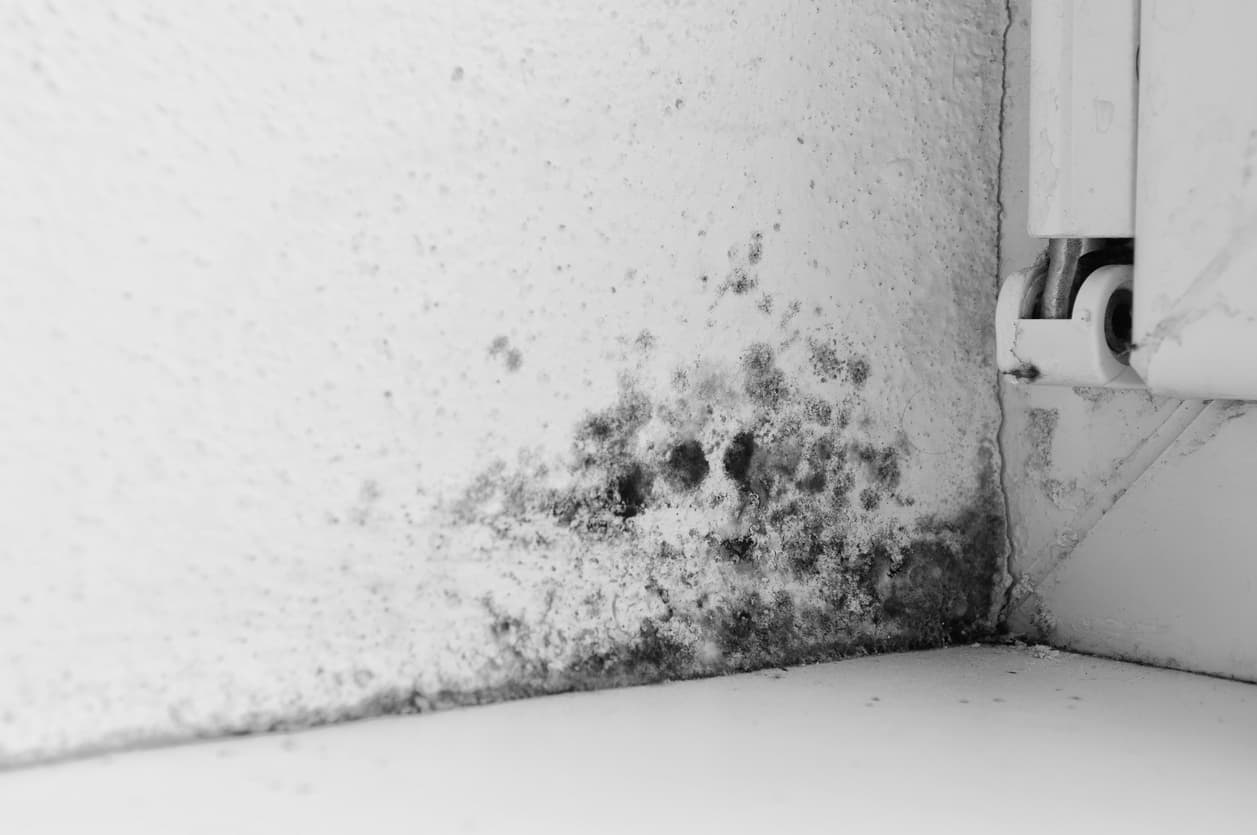
Types of Mold in Florida
Aspergillus, Cladosporium, and other molds thrive in Florida humidity. Common indoor types and when homes need professional remediation.
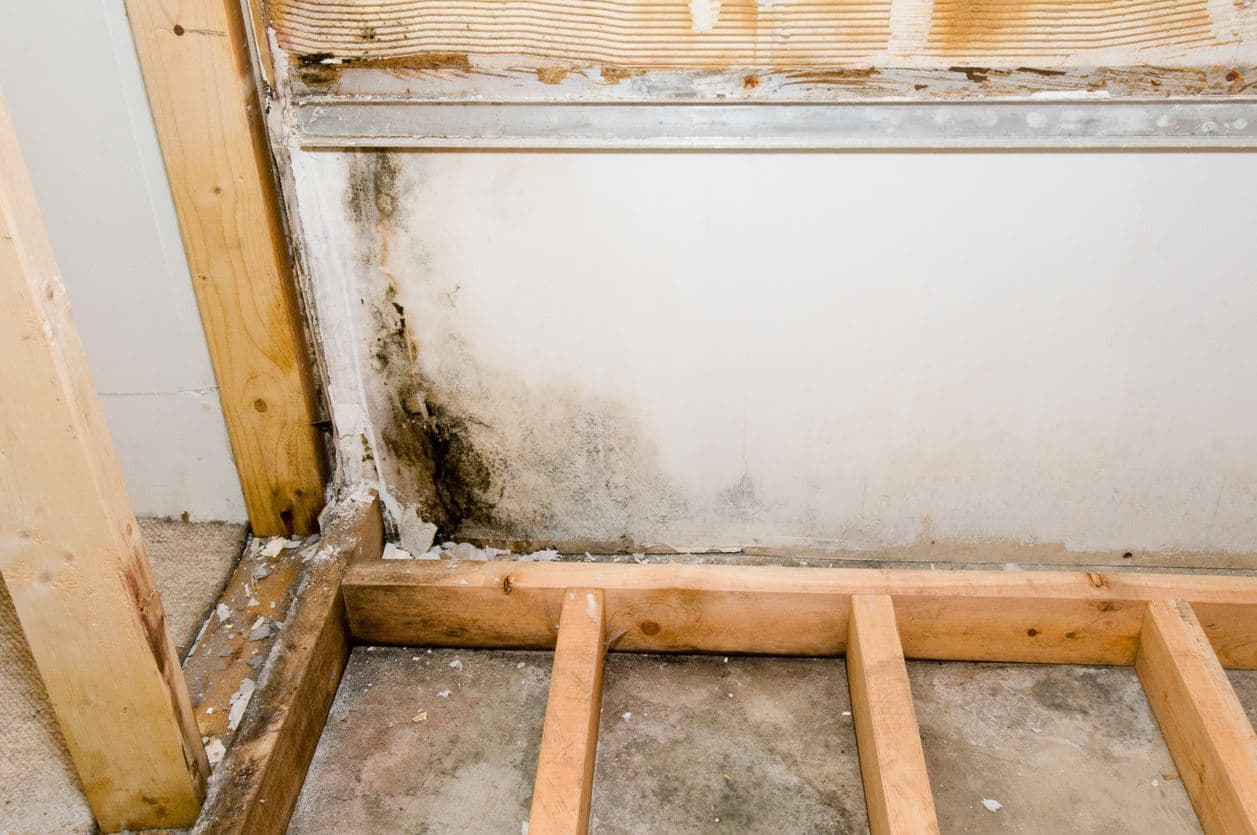
DIY vs. Professional Mold Remediation: Navigating the Best Path for Your Home
Compare DIY mold cleanup with professional remediation, including when containment, PPE, and verified drying are needed in Southwest Florida humidity.
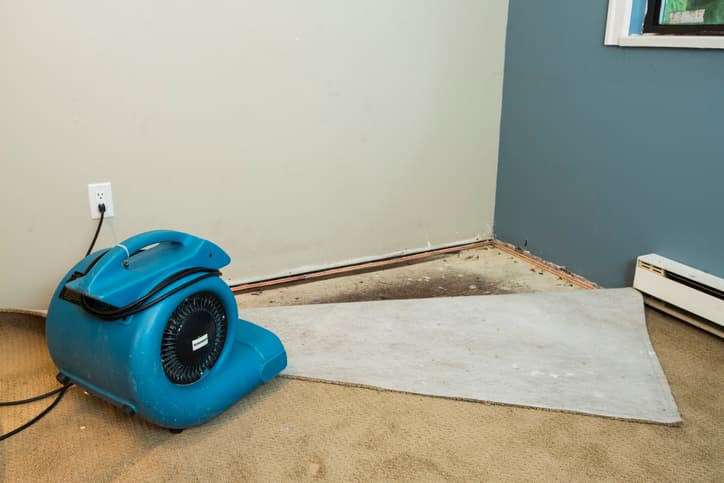
Health Issues Caused by Mold Growth
Mold can be a homeowner's worst nightmare. It is unsightly and smelly and can cause health issues if not promptly resolved.
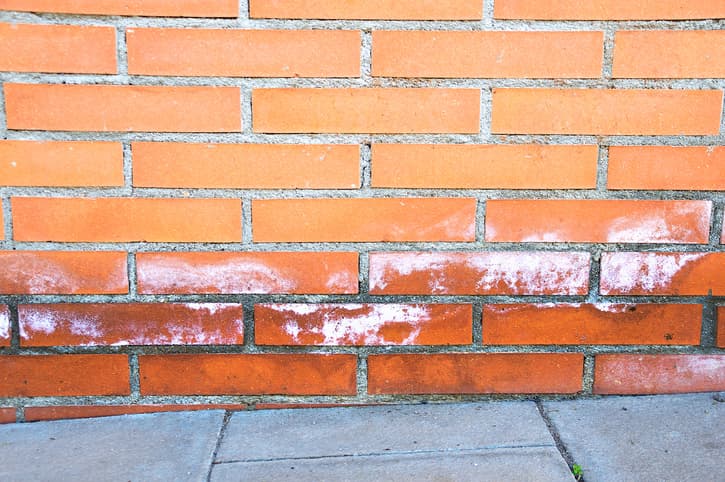
When Should Homeowners Call For Mold Inspection Services?
Musty smells, past water damage, health symptoms, or AC failures are reasons Southwest Florida homeowners should get a mold inspection.