Loading article
Serving Southwest Florida for 25+ Years
24/7 Emergency: (239) 643-1990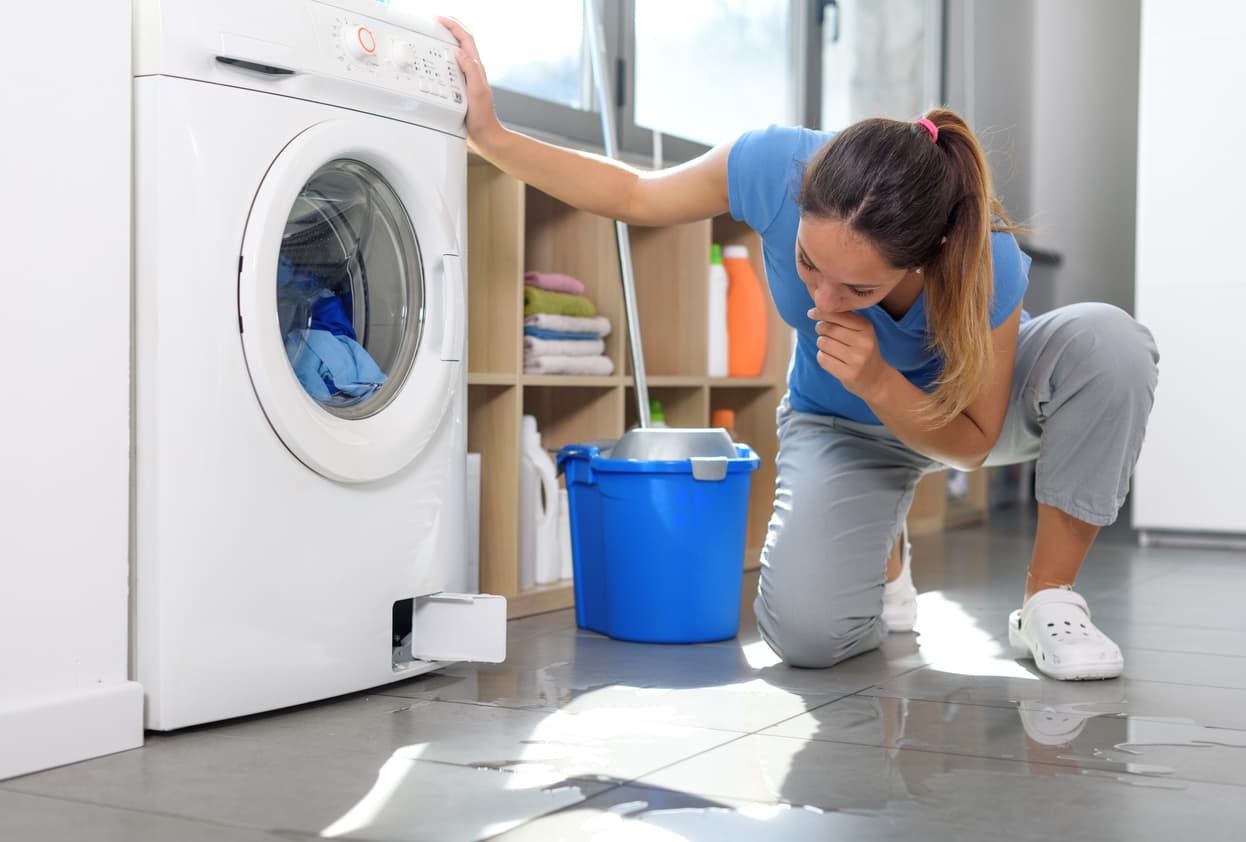
Water Damage
What to Do After an Appliance Leak
Appliance leaks can be an unexpected and stressful event, causing damage to your home and belongings. Whether it's your refrigerator, dishwasher, or washing machine, knowing what to do immediately after discovering a leak can help minimize damage and ensure a swift recovery. Here’s a guide on how to handle leaks from these common household appliances and why it’s crucial to contact a water damage restoration company like DryZone promptly.
What to Do After a Refrigerator Leak
1. Identify the Source
Refrigerator leaks are often caused by issues such as a blocked defrost drain, damaged water supply line, or malfunctioning ice maker. Start by inspecting the back of your refrigerator for any visible signs of water or ice buildup.
2. Turn Off the Water Supply
If you find a leak, turn off the water supply to the refrigerator. This can usually be done by shutting off the valve located behind the appliance. If your refrigerator doesn’t have a separate valve, you may need to turn off the main water supply to your home.
3. Clean Up Standing Water
Use towels or a wet/dry vacuum to clean up any standing water. Be sure to dry the area thoroughly to prevent mold growth.
4. Inspect for Damage
Check for any water damage to nearby flooring, walls, and cabinetry. Water can seep into these areas and cause long-term issues if not addressed promptly.
What to Do After a Dishwasher Leak
1. Stop the Cycle
If your dishwasher starts leaking during a cycle, immediately stop the machine and turn off the water supply. Most dishwashers have a water shut-off valve located under the sink.
2. Mop Up the Water
Use towels to absorb as much water as possible. If the leak is severe, a wet/dry vacuum can be helpful in removing large amounts of water quickly.
3. Check the Door Seal
One common cause of dishwasher leaks is a faulty door seal. Inspect the rubber gasket around the door for any signs of wear or damage. Replacing a worn gasket can often resolve the issue.
4. Examine Hoses and Connections
Leaks can also occur from the hoses and connections at the back of the dishwasher. Ensure all connections are tight and check for any signs of cracks or wear in the hoses.
What to Do After a Washing Machine Leak
1. Shut Off the Water Supply
If your washing machine is leaking, turn off the water supply immediately to prevent further damage. The shut-off valves are usually located behind the machine.
2. Clean Up the Spill
Mop up any standing water with towels or a wet/dry vacuum. Be thorough to prevent water from seeping into your flooring or walls.
3. Inspect the Hoses
Washing machine leaks are often caused by worn or loose hoses. Check both the hot and cold water hoses for any signs of damage or wear. Tighten any loose connections and replace damaged hoses if necessary.
4. Check the Door Seal (Front-Loading Machines)
For front-loading washing machines, a faulty door seal can cause leaks. Inspect the rubber seal around the door for any tears or damage and replace it if needed.
The Importance of Calling a Water Damage Restoration Company
Prevent Further Damage
Water damage can escalate quickly, leading to mold growth, structural damage, and ruined belongings. A professional water damage restoration company like DryZone can help mitigate these risks by providing immediate and effective water extraction and drying services.
Thorough Inspection
Professional restoration companies have the tools and expertise to thoroughly inspect your home for hidden water damage. This includes using moisture meters and infrared cameras to detect moisture behind walls and under floors.
Mold Prevention
Mold can start growing within 24-48 hours after water exposure. By calling a restoration company promptly, you can prevent mold from taking hold and causing health issues for your family.
Expert Repairs
Restoration companies can also handle any necessary repairs to your home, ensuring that it is restored to its pre-damage condition. This includes repairing drywall, flooring, and other affected areas.
Insurance Assistance
Dealing with insurance claims after water damage can be complex and time-consuming. DryZone's Concierge Service offers assistance with the claims process, helping you get the compensation you deserve.
Acting quickly after an appliance leak can save you time, money, and stress. To minimize the damage and ensure your Southwest Florida home is safe and dry once again, contact DryZone today!
Related service
Need help with water damage?
DryZone provides 24/7 water extraction, structural drying, leak detection, and insurance-ready documentation.
Water damage restoration servicesRelated Articles
Flood Insurance Documentation Tips for Bonita Springs Homeowners
Bonita Springs flood claims move faster with clear photos, inventories, and mitigation records. Learn NFIP-friendly documentation before and after water.
Hurricane Prep and Water Damage Prevention for Naples Homes
Prepare your Naples home for hurricane season with practical steps that reduce flood risk, limit CBS wall moisture, and speed recovery after storm surge.
Storm Surge Cleanup on Marco Island: Saltwater Damage Guide
Saltwater storm surge on Marco Island corrodes metals and soaks CBS cavities. Learn cleanup priorities, drying steps, and when to call restoration pros.
The Hidden Dangers: Health Effects of Mold on Young Children
Mold is a common household problem that often goes unnoticed. While it may seem harmless, especially to adults, mold can pose serious health risks to.
Flood Preparedness 101: Protecting Your Home During Storm Season
Here's a comprehensive guide on flood preparedness during hurricane season, specifically tailored to help you protect your Florida home before the storm hits.
Tips for Effective Flood Repair: A Restoration Company's Guide
Safe flood repair starts with power safety, documentation, water removal, and thorough drying. Practical tips from a Southwest Florida restoration company.