24/7 water mitigation
Water mitigation in Sanibel Island starts with stopping the damage from spreading. As a water mitigation company, we provide source control, extraction, content protection, drying setup, and photo documentation.
Loading...
Serving Southwest Florida for 25+ Years
24/7 Emergency: (239) 643-1990
IICRC-certified technicians dispatched from our Fort Myers office — typically on-site within 45 minutes or less. We extract water, dry your structure, and coordinate directly with your insurance carrier.
Quick answer
DryZone Inc provides 24/7 water damage restoration in Sanibel Island, Lee County, FL. Crews from our Fort Myers office typically arrive within 45 minutes or less for extraction, structural drying, and insurance documentation. Call (239) 643-1990.
Emergency water cleanup in Sanibel Island
DryZone is a water damage company and water cleanup company serving Sanibel Island with emergency water cleanup, water extraction, water removal, water mitigation, water remediation, structural drying, dehumidification, and mold prevention after water damage.
Water mitigation in Sanibel Island starts with stopping the damage from spreading. As a water mitigation company, we provide source control, extraction, content protection, drying setup, and photo documentation.
Water remediation addresses affected materials after the emergency is stabilized. As a water remediation company, we clean, sanitize, verify moisture levels, and help prevent mold after water damage.
Our water extraction crews remove standing water and track hidden moisture under flooring, behind walls, and inside cabinets before it becomes mold or structural damage. This is the first step before structural drying.
Local knowledge
Local restoration is about knowing what fails here, how water moves here, and what carriers expect to see documented.
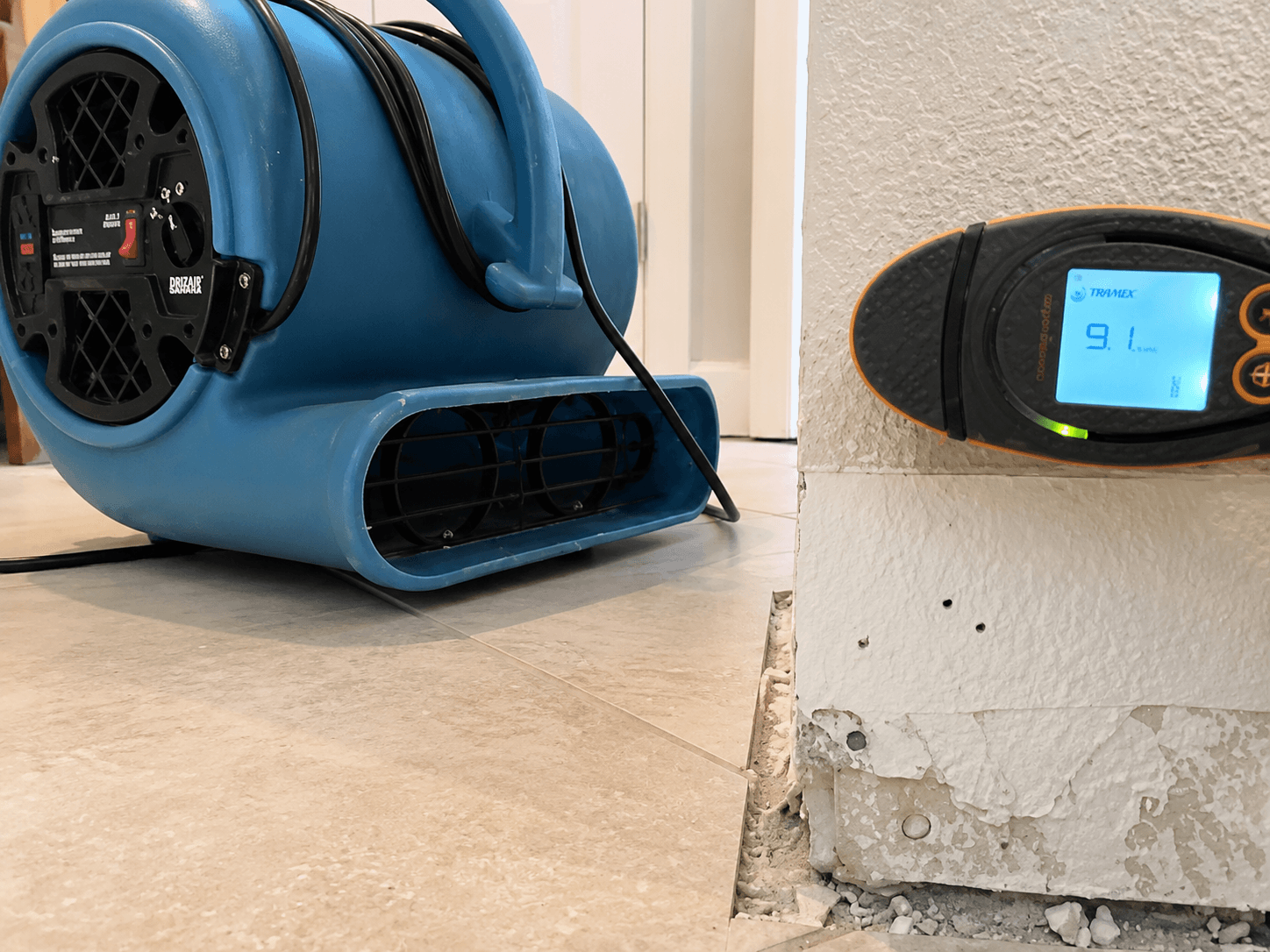
Sanibel Island's humidity and CBS construction make hidden moisture the real risk.
As a Gulf barrier island, Sanibel sees constant salt aerosol plus humidity that routinely sits above 75%. That combination corrodes HVAC coils and metal connectors while driving mold risk inside wall cavities — especially in seasonally vacated homes and condos where the system was shut off or set too high for dehumidification.
Recent storms shaped how we inspect, dry, and document losses in Lee County.
Hurricane Ian (Sept 28, 2022) devastated Sanibel: storm surge and wind damaged nearly every structure on the island, and the Sanibel Causeway collapsed, cutting the island off for weeks and delaying rebuilds. Pre-Ian, Hurricane Charley (2004) and Irma (2017) also left widespread roof, lanai, and wind-driven rain losses. Access over the rebuilt causeway is now restored, but named-storm response still has to account for bridge traffic and island logistics.
Condos, CBS homes, seasonal properties, and waterfront builds all dry differently.
Beachfront single-family homes, mid-rise Gulf-front condo complexes, and older cottages inland of Periwinkle — many seasonally occupied, with HOA/condo association coordination common on multi-unit losses. Saltwater Cat 3 protocols and contents documentation are the norm after surge events.
45 minutes or less from our Fort Myers office to most addresses in Lee County.
We dispatch from the closest DryZone office and document arrival, moisture readings, and conditions from the first visit.
Local claim patterns
Service area
ZIP codes: 33957
Local water damage profile
We do not treat every Southwest Florida city the same. Water damage restoration in Sanibel Island depends on the local building stock, storm history, neighborhoods, carrier expectations, and the way moisture moves through properties in Lee County.
Local moisture behavior
As a Gulf barrier island, Sanibel sees constant salt aerosol plus humidity that routinely sits above 75%. That combination corrodes HVAC coils and metal connectors while driving mold risk inside wall cavities — especially in seasonally vacated homes and condos where the system was shut off or set too high for dehumidification.
Local loss patterns
Local coverage
Beachfront single-family homes, mid-rise Gulf-front condo complexes, and older cottages inland of Periwinkle — many seasonally occupied, with HOA/condo association coordination common on multi-unit losses. Saltwater Cat 3 protocols and contents documentation are the norm after surge events.
ZIPs: 33957
Hurricane Ian (Sept 28, 2022) devastated Sanibel: storm surge and wind damaged nearly every structure on the island, and the Sanibel Causeway collapsed, cutting the island off for weeks and delaying rebuilds. Pre-Ian, Hurricane Charley (2004) and Irma (2017) also left widespread roof, lanai, and wind-driven rain losses. Access over the rebuilt causeway is now restored, but named-storm response still has to account for bridge traffic and island logistics. That history shapes how we document every water damage cleanup: arrival photos, source notes, moisture readings, drying logs, affected material lists, and repair recommendations that make sense for Sanibel Island properties.
What we do in Sanibel Island
Six specialized services — each backed by certified technicians and commercial-grade equipment.
Industrial-grade pumps and vacuums remove standing water fast — from crawl spaces to upper floors — limiting structural damage and mold risk.
High-capacity air movers and controlled humidity bring timber, drywall, and flooring back to safe moisture levels, verified with daily readings.
Commercial dehumidifiers pull residual moisture from the air after water removal, preventing secondary mold growth in Southwest Florida's humid climate.
Non-invasive tools pinpoint hidden leaks behind walls, under slabs, and in ceilings — catching problems before they escalate into major damage.
Infrared cameras reveal moisture pockets invisible to the naked eye, reducing the need for demolition and ensuring no wet area is overlooked.
Rapid response for hurricane, tropical storm, and heavy-rain events — board-up, tarping, water removal, and full structural restoration.
Act fast
Sanibel Island’s humidity puts the clock against you. Mold can begin colonizing damp materials within 24 hours — here’s how damage escalates when left untreated.
First 24 hours
Mold spores begin colonizing damp materials. Drywall starts to swell and weaken.
48 hours
Structural wood warps and buckles. Musty odors develop as microbial growth accelerates.
72+ hours
Extensive mold likely. Restoration costs can double or triple. Health risks increase significantly.
Florida specifics
Florida’s climate, building code, and insurance market all shape how a restoration job actually plays out. Here’s what we tell every customer we work with in Lee County.
S500 is the industry's published standard for water damage restoration — water classifications (Cat 1 fresh, Cat 2 grey, Cat 3 black/saltwater), psychrometric drying targets, and daily moisture readings until structural materials return to equilibrium. The framework Florida adjusters expect to see on a defensible scope.
Most homes in Sanibel Island are CBS (concrete block stucco). Water that enters at a window flange or stucco crack travels through hollow block cores and can show up as interior staining 10+ feet from the actual entry point. Cosmetic drywall replacement without moisture mapping is the #1 reason mold recurs months after a "completed" job.
Citizens requires claims to be reported within 1 year of the date of loss (18 months for supplemental). Many private Florida carriers now match that window. We document everything from arrival — moisture maps, photos, scope of loss — so your timeline is supported even if discovery happens months later.
Florida insurers closed roughly 47% of homeowner claims without payment in 2024. Many of those closures are coverage exclusions, not misconduct — but they all share one cause: weak documentation. We provide carrier-grade scope, daily moisture logs, and photo records so your claim is reviewable on the merits.
DryZone Inc. holds Florida General Contractor license CGC1514310 and Florida Mold Remediator license MRSR29, and is IICRC, NORMI, and ACAC certified. Information here is general and not legal advice — your policy and claim circumstances control.
Common Sanibel Island water damage calls
From summer storms and roof leaks to failed supply lines and appliance leaks, DryZone removes water, dries hidden moisture, and monitors the structure to help prevent mold after water damage.
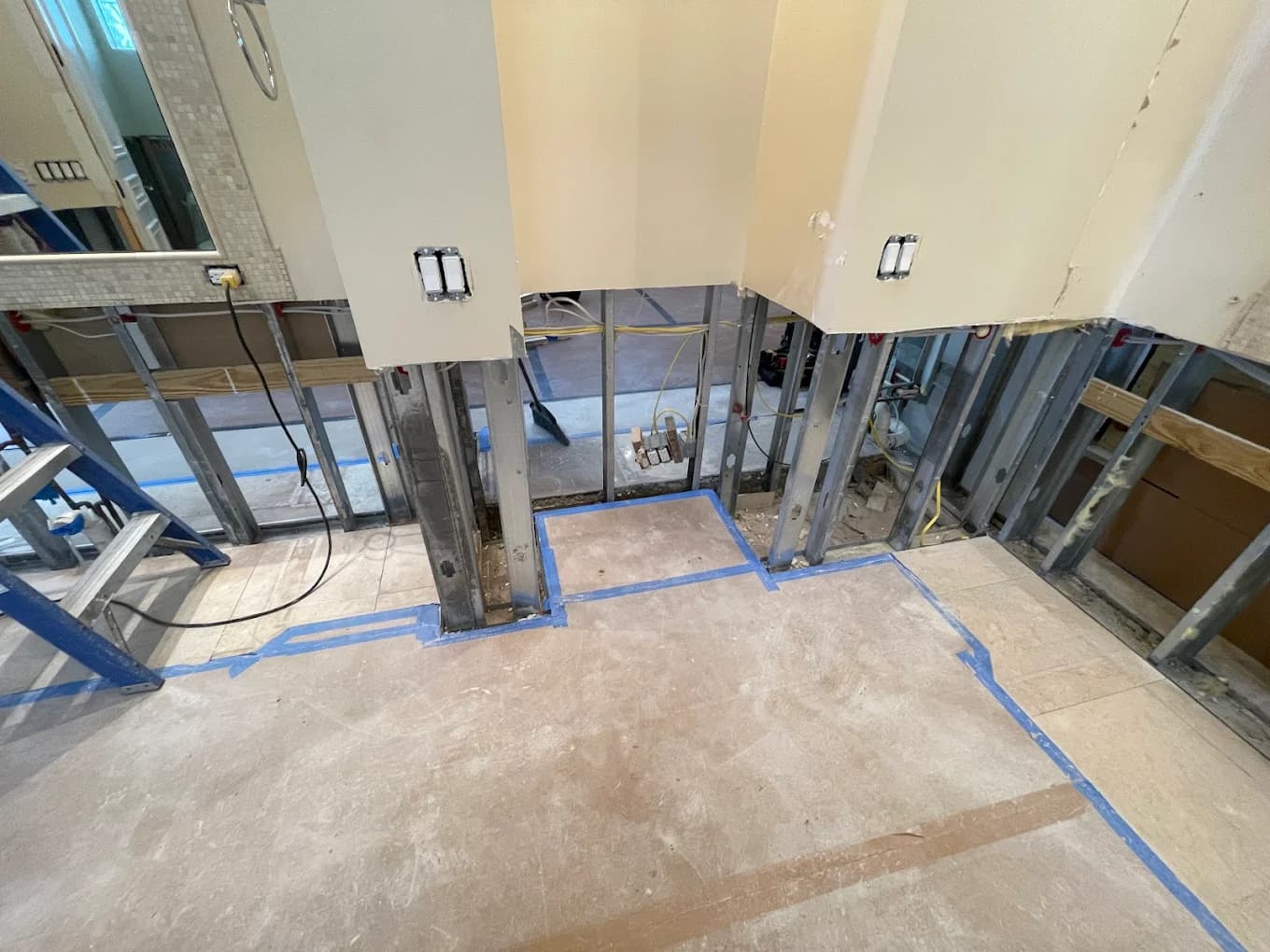
Stormwater, roof leaks, and neighborhood flooding can leave hidden moisture behind baseboards, under flooring, and inside wall cavities.
Burst supply lines and plumbing failures need fast extraction, moisture mapping, structural drying, and repair coordination.
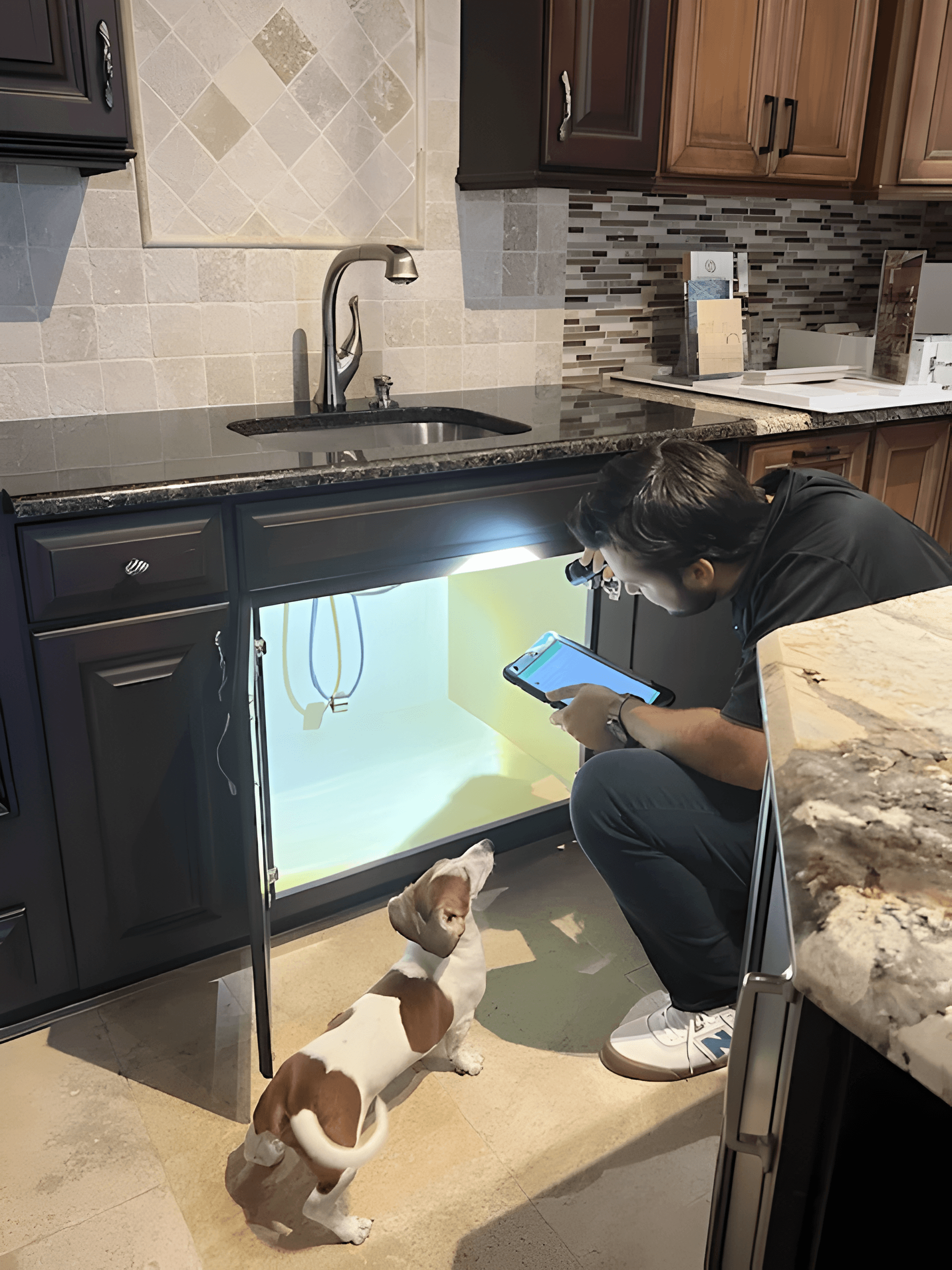
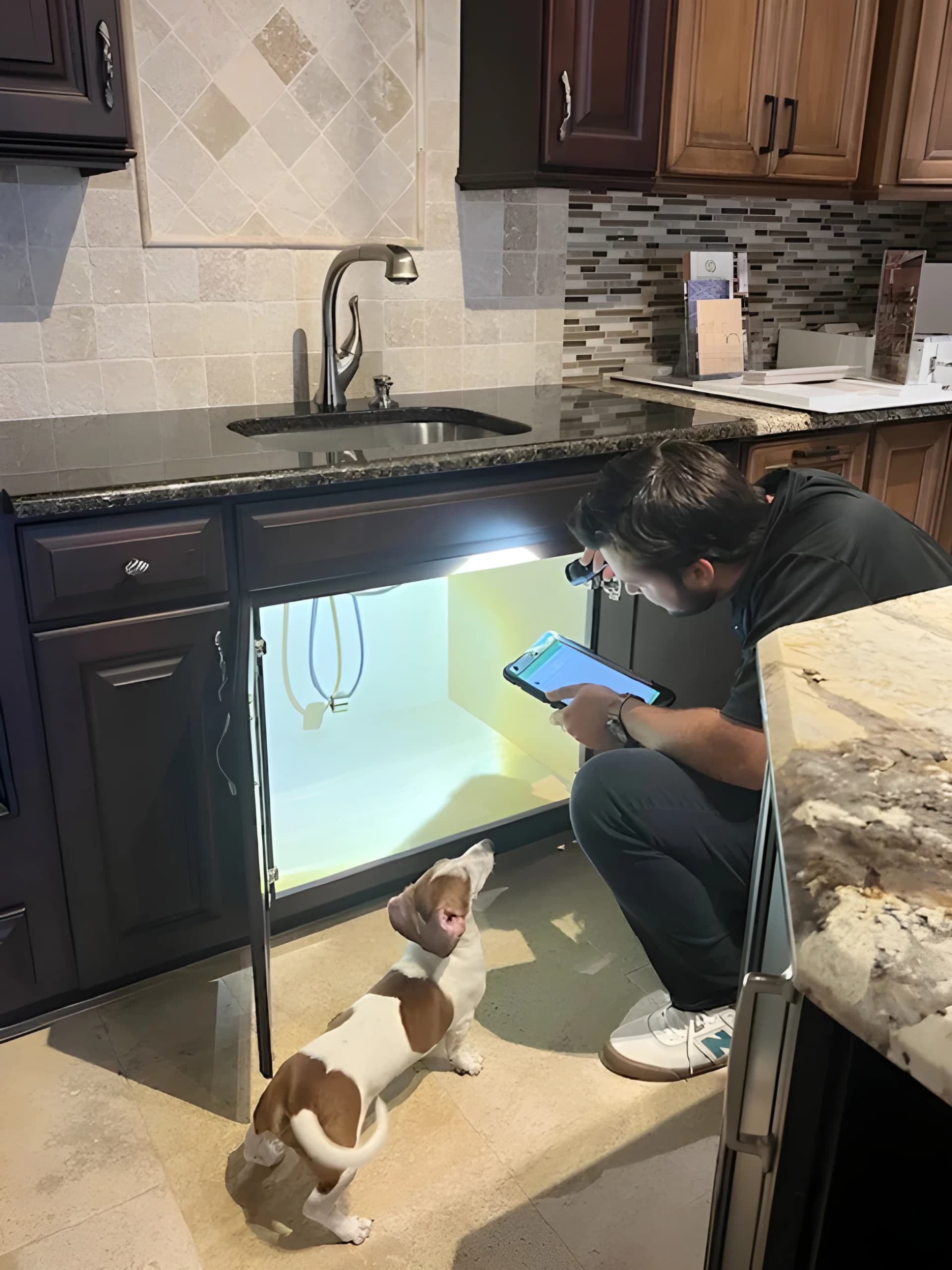
Dishwashers, refrigerators, washing machines, and water heaters often leak under cabinets and finished flooring before damage is visible.
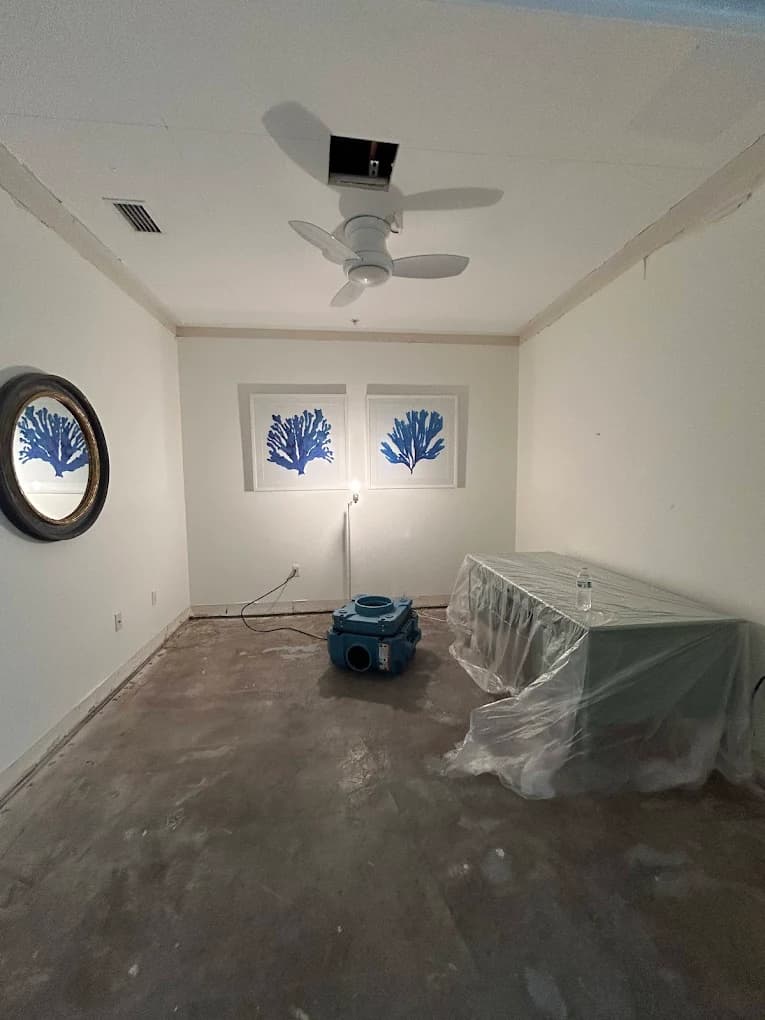
Recent projects across Southwest Florida
The DryZone difference
Day or night, weekends and holidays — we answer and dispatch immediately.
We work directly with all major carriers so you can focus on your family, not paperwork.
A single project manager guides your job from first call to final walkthrough.
Commercial-grade extraction, drying, and imaging technology for faster, more thorough results.
Helpful resources
Read practical guidance on leaks, flooding, drying, and water damage prevention for Sanibel Island and Southwest Florida properties.
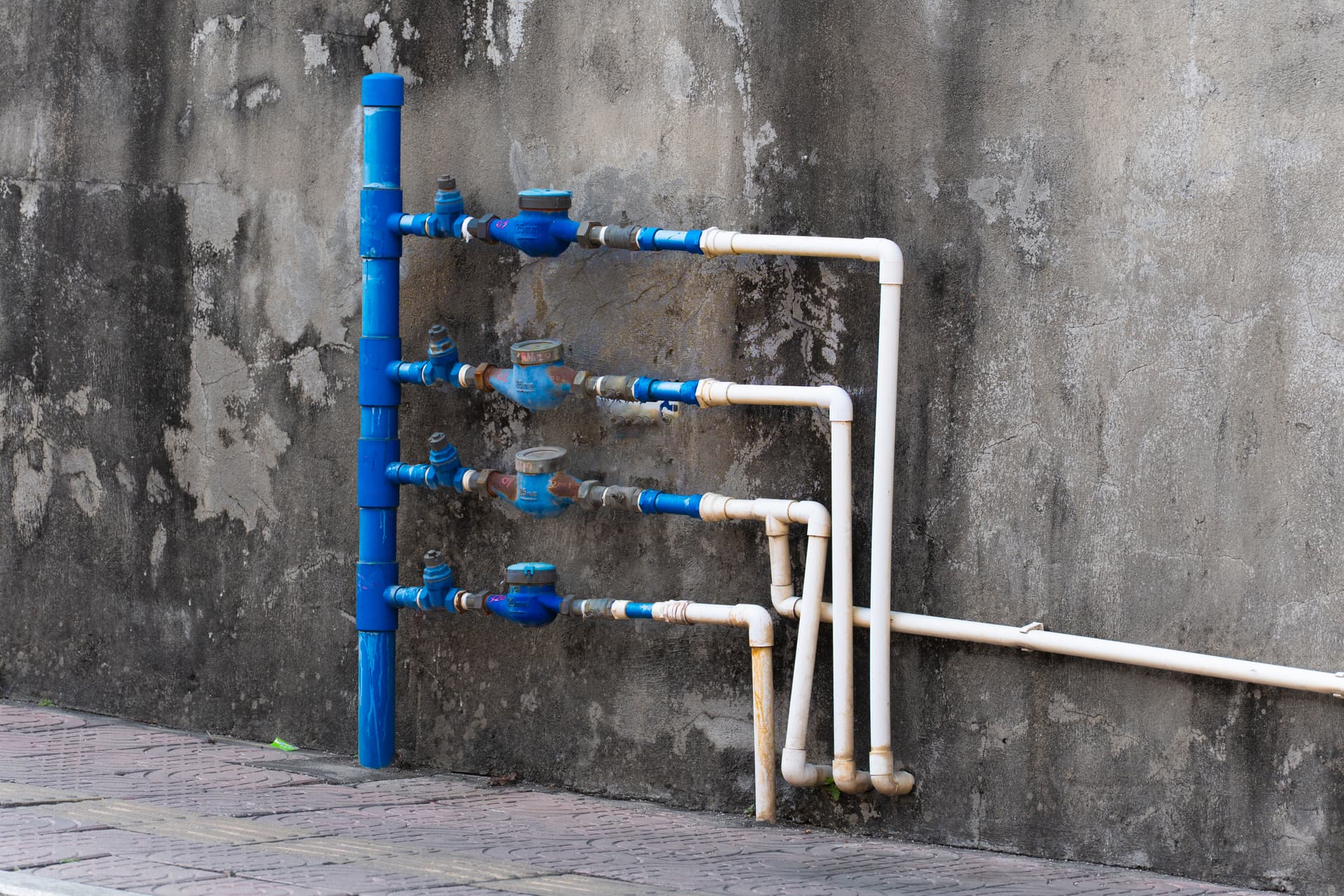
A Cape Coral condo pipe burst can flood multiple units fast. Learn shutoff steps, drying priorities, HOA coordination, and when to call restoration pros.
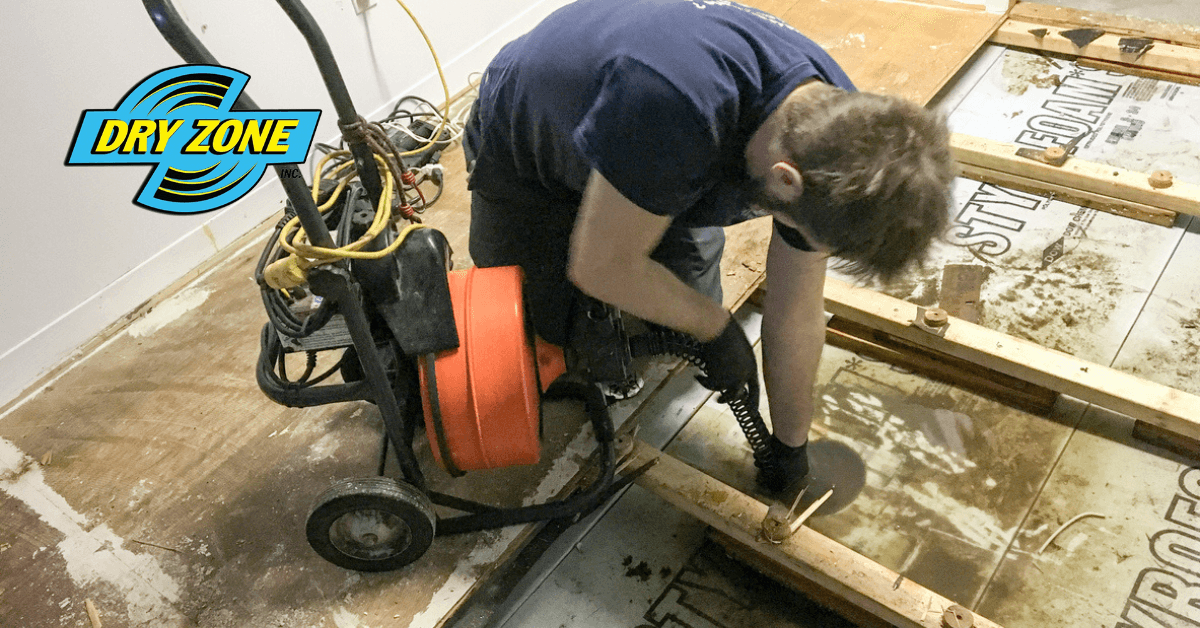
Bonita Springs flood claims move faster with clear photos, inventories, and mitigation records. Learn NFIP-friendly documentation before and after water.

Prepare your Naples home for hurricane season with practical steps that reduce flood risk, limit CBS wall moisture, and speed recovery after storm surge.
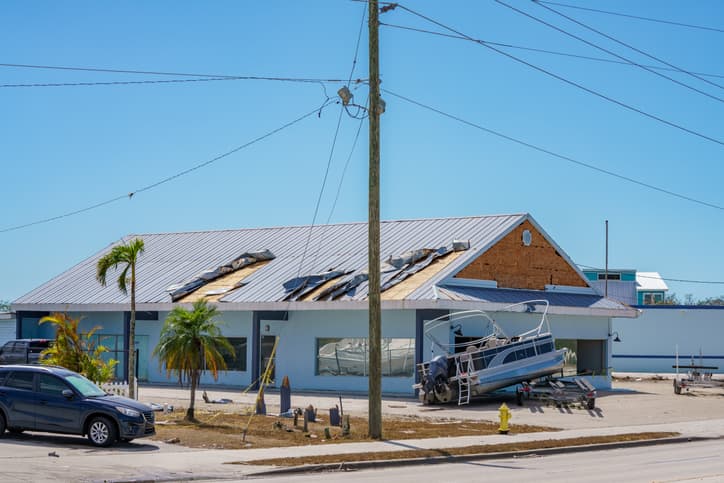
Saltwater storm surge on Marco Island corrodes metals and soaks CBS cavities. Learn cleanup priorities, drying steps, and when to call restoration pros.
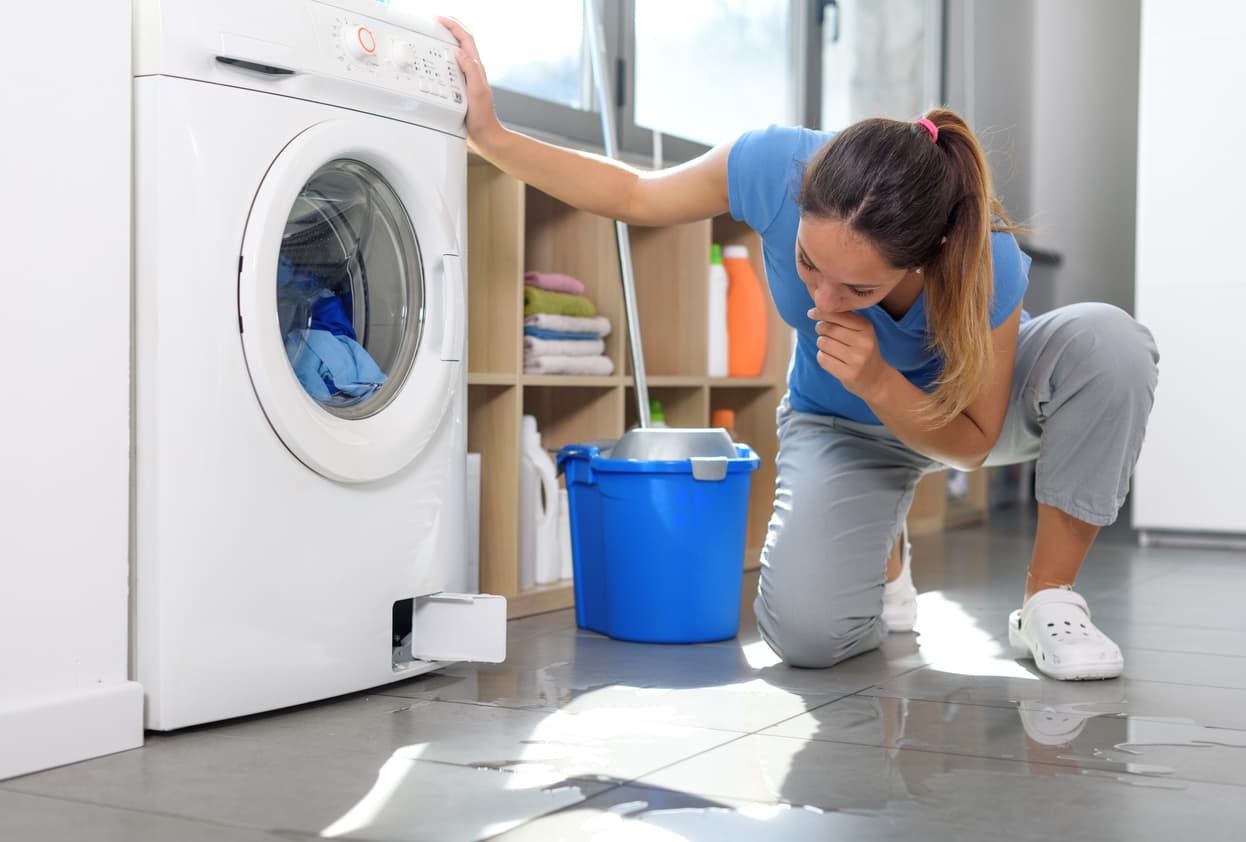
Check out this handy guide on how to handle leaks from common household appliances and why it’s crucial to contact a water damage restoration company like.
Mold is a common household problem that often goes unnoticed. While it may seem harmless, especially to adults, mold can pose serious health risks to.
Sanibel Island water damage FAQ
Yes. DryZone provides 24/7 emergency water damage restoration in Sanibel Island, FL, including water damage cleanup, emergency water cleanup, water extraction, water removal, structural drying, and dehumidification.
DryZone typically responds in 45 minutes or less for properties in Sanibel Island. Fast response helps limit structural damage, reduce restoration costs, and lower the risk of mold growth after water damage.
Yes. Our water extraction crews remove standing water, locate hidden moisture with professional equipment, and complete structural drying in Sanibel Island homes and businesses.
Yes. In Sanibel Island's humid climate, mold can begin growing within 24-48 hours after a leak, flood, burst pipe, or appliance leak. Prompt water mitigation and drying are the best ways to prevent mold after water damage.
Yes. DryZone documents the loss, moisture readings, water removal, drying progress, and repair scope so your insurance carrier has the information needed for a water damage restoration claim in Sanibel Island.
Mentions of your city and service help neighbors find the right help. A useful review names what we did (for example, water damage restoration in Sanibel Island) and how fast we responded.
“DryZone handled water damage restoration in Sanibel Island quickly — arrived fast, documented everything for insurance, and explained every step.”
Ready to help in Sanibel Island
45 minutes or less response from our Fort Myers office. Fast action means less damage and lower costs.
Also serving: Naples · Fort Myers · Cape Coral · Marco Island · Bonita Springs · Estero