Loading article
Serving Southwest Florida for 25+ Years
24/7 Emergency: (239) 643-1990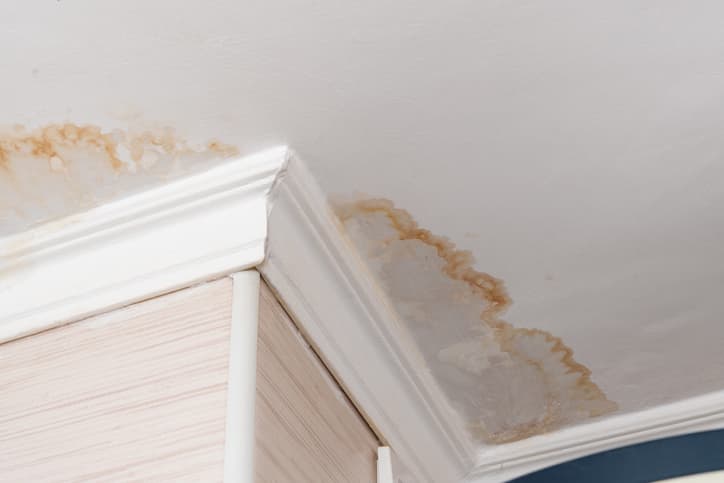
Water Damage
The Dangers of Water-Damaged Ceiling and How to Spot It
Water-damaged ceilings are a serious problem that can lead to a number of dangerous consequences. If not repaired quickly, water-damaged ceilings can collapse, causing serious injury or even death. In addition, water-damaged ceilings can provide a breeding ground for mold and mildew, which can cause serious health problems.
If you suspect that your ceiling has been damaged by water, it is important to act quickly. Contact a professional to assess the damage and make repairs as soon as possible.
In the meantime, here are some things you should know about the dangers of water-damaged ceilings and how you can spot them:
The Dangers of Water-Damaged Ceilings
1. Water-Damaged Ceilings Can Collapse
One of the most serious dangers of water-damaged ceilings is that they can collapse. This can happen if the water damage is severe or if the ceiling is not repaired quickly. When a ceiling collapses, it can cause serious injury or even death.
2. Water-Damaged Ceilings Can Provide a Breeding Ground for Mold and Mildew
Another serious danger of water-damaged ceilings is that they can provide a breeding ground for mold and mildew. Mold and mildew can cause serious health problems, including respiratory problems, skin irritation, and allergic reactions. In addition, mold and mildew can damage your ceiling, making it more likely to collapse.
3. Water-Damaged Ceilings Can Be Expensive to Repair
If you have water damage to your ceiling, it is important to act quickly to avoid further damage. Water-damaged ceilings can be expensive to repair, and the longer you wait to make repairs, the more expensive they will be. In addition, if you have insurance, you may be required to pay a deductible before your insurance covers the cost of repairs.
How to Spot Ceiling Water Damage
Now that you know of the dangers of a water-damaged ceiling, here are some signs to look out for to know that water is damaging them:
1. Water Stains on Your Ceiling
If you notice water stains on your ceiling, it’s a good indication that there is water damage. These stains can be caused by a leaky roof, a broken pipe, or even condensation.
2. Sagging or Drooping Ceiling
If your ceiling starts to sag or droop, it’s a sign that there is water damage. This is usually caused by a leaky roof or a broken pipe.
3. Cracks in Your Ceiling
If you notice cracks in your ceiling, it’s a good indication that there is water damage. These cracks can be caused by a leaky roof, a broken pipe, or even condensation.
4. Bulging Walls
If you notice bulging walls, it’s a good indication that there is water damage. These bulges can be caused by a leaky roof, a broken pipe, or even condensation.
5. Mold or Mildew
If you notice mold or mildew on your ceiling, it’s a good indication that there is water damage. These growths can be caused by a leaky roof, a broken pipe, or even condensation.
6. Musty Smell
If you notice a musty smell in your home, it’s a good indication that there is water damage. This smell can be caused by a leaky roof, a broken pipe, or even condensation.
Conclusion
So, you can see the dangers of a water-damaged ceiling and how to spot it. If you’ve noticed any of these signs, then it is vital that you take action immediately. Call in professionals to come and inspect your ceiling, and with their help, they not only can suggest what can be done to repair the damage that has already been done but also advise you on what can be done to fix the root cause of the issue!
DryZone offers water damage and disaster cleanups to tackle a variety of emergencies. If you are looking for a water damage company in Naples to fix your ceiling, work with us today!
Related service
Need water damage help in Naples?
DryZone provides 24/7 water extraction, structural drying, moisture mapping, and insurance documentation across Southwest Florida.
Naples water damage restorationRelated Articles
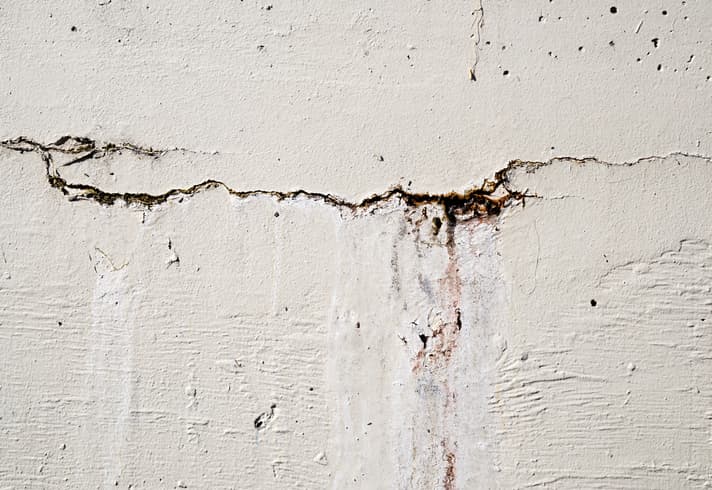
The Proper Ways to Approach a Water Leakage in Your Wall
A leak inside a wall needs the source stopped and the cavity metered. The stain on paint can be far from the wet studs, especially in concrete block construction.
4 Questions to Ask a Water Damage Restoration Company Before Hiring
Ask who maps the moisture, how drying is verified, and how repairs are separated from drying. A fast arrival time is not the whole job.
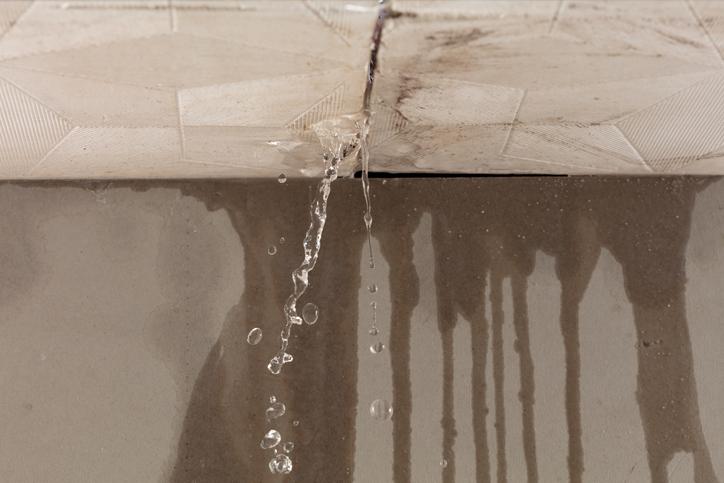
A Beginner’s Guide to Drying Your Home after Water Damage
Drying a home means removing standing water, then drying the wet materials with measured airflow and dehumidification. Open windows in humid weather often slow that down.
Understanding Drywall Water Damage: Things to Know
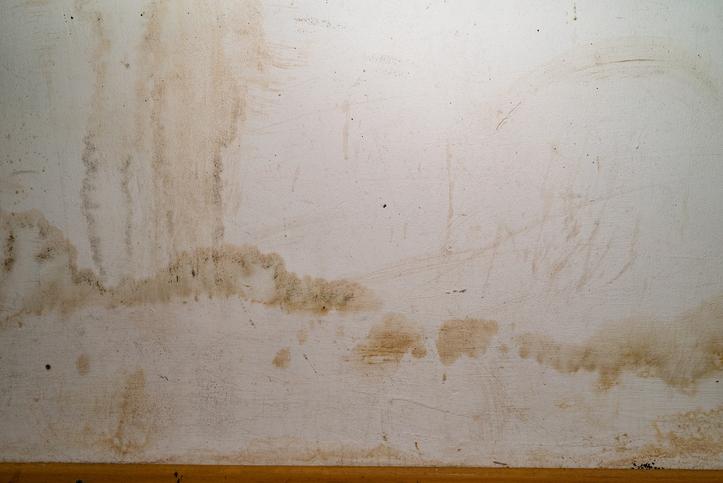
Drywall water damage shows up as stains, swelling, or a high moisture reading. A small stain can be patched. Wet or crumbling board needs a professional look first.
Knowing the Negative Impact of Water Damage on a House
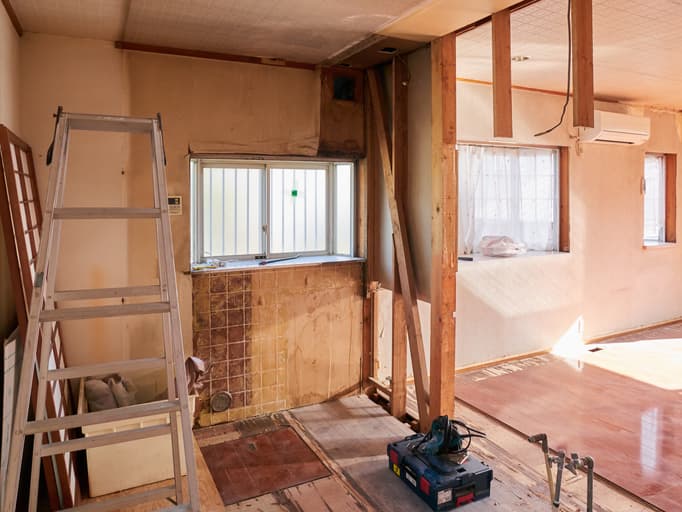
A burst or leaking pipe wets cavities, flooring, and finishes far past the drip. The repair of the pipe does not dry the building. Moisture mapping comes next.
What Homeowners Must Do Before Entering Flood-Damaged Homes
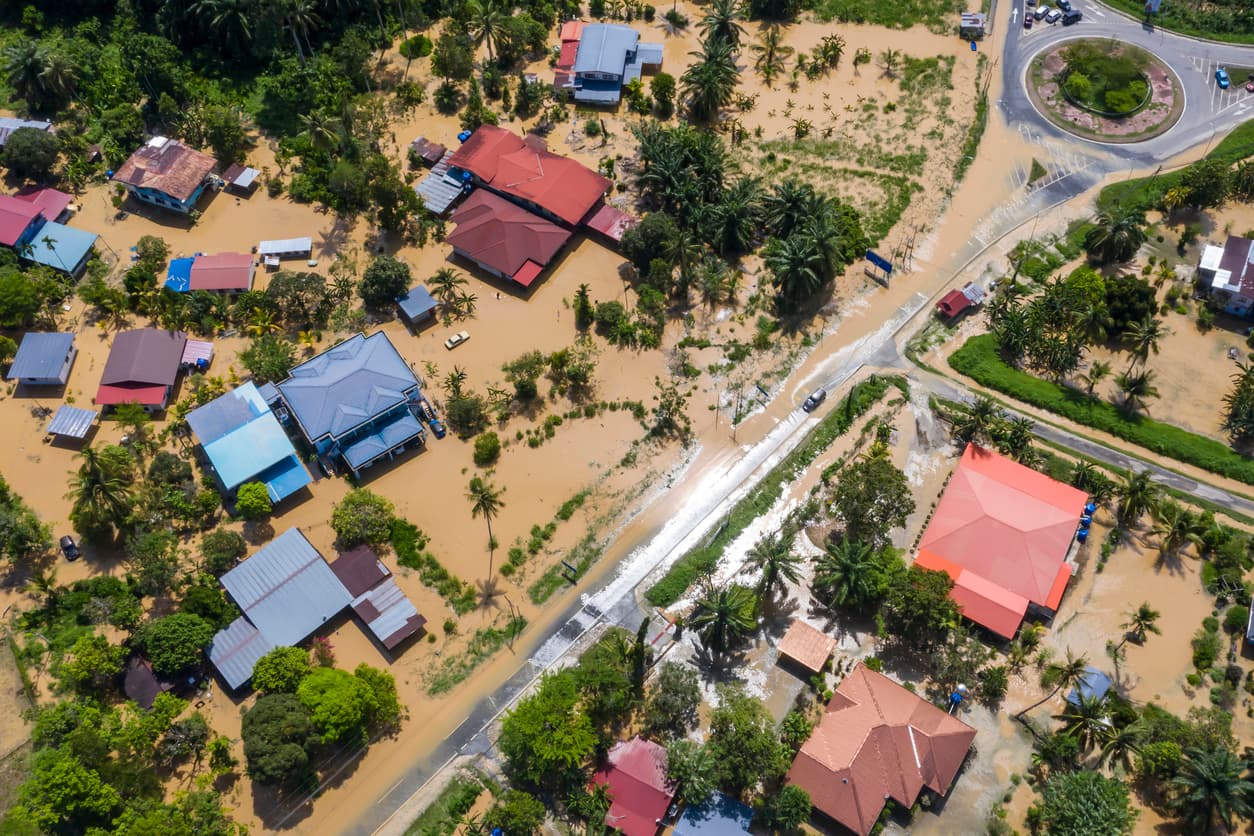
Before you enter a flood-damaged home, check structure, power, and gas. Floodwater is contaminated. Do not turn on wet electrical equipment.