Loading article
Serving Southwest Florida for 25+ Years
24/7 Emergency: (239) 643-1990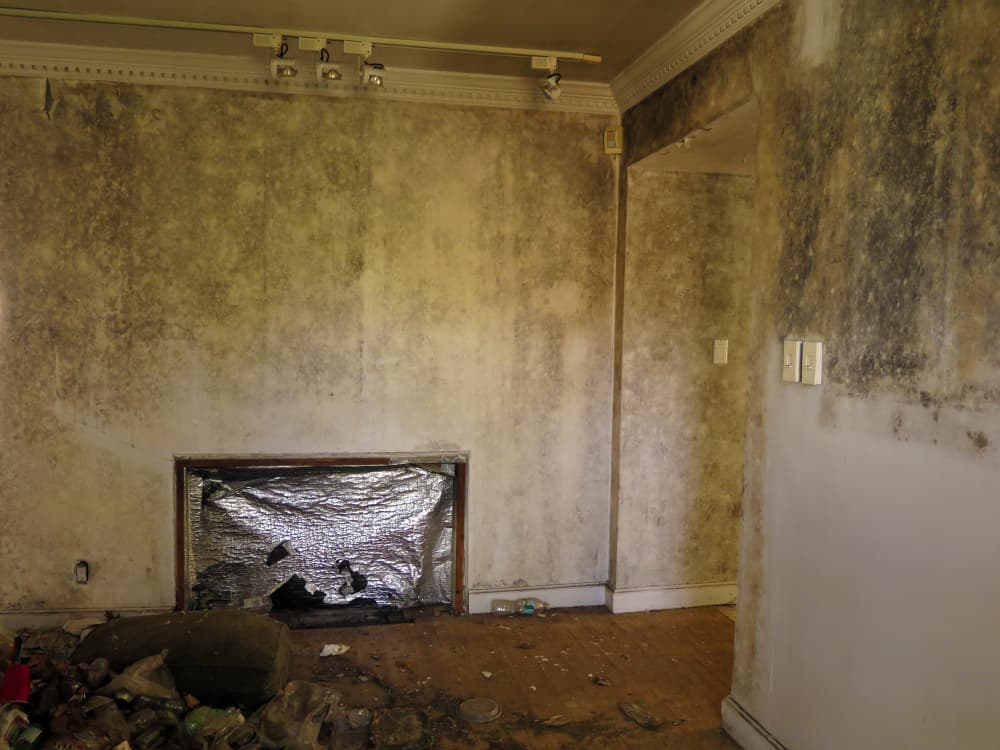
Mold
The Differences You Must Know about Black Mold and Mildew
Do you find moisture in parts of your home that shouldn’t have moisture? If so, you might find mold and mildew growing. In fact, mildew is just mold in its early stages, but both aren’t things you want to find in your home! Why? Because they can seriously affect your and your family’s health!
That said, being able to identify the two in your home is vital in ensuring you deal with them properly. And as such, we want to talk about black mold and mildew today and how you can differentiate one from the other:
What Is Black Mold?
Mold is a type of fungi that is present in the natural environment. There are many different types of mold, and black mold is one of them. Black mold is often found in damp and humid environments and can grow on many different surfaces, including wood, paper, and carpet.
How Does Black Mold Look Like?
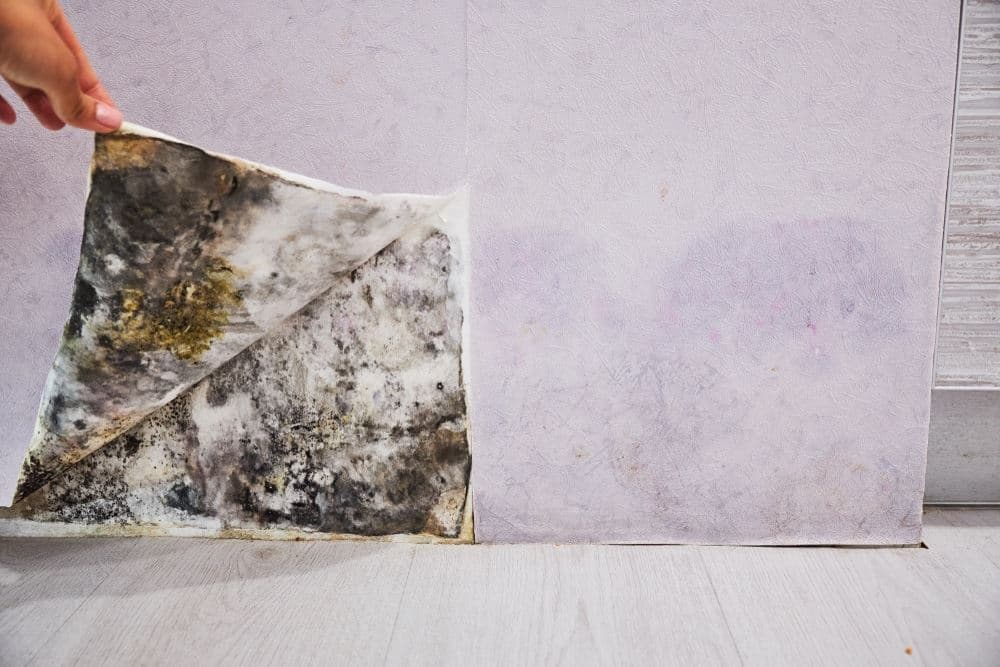
Black mold is usually black or dark green in color and can have a fuzzy or slimy appearance. Mold can cause a variety of health problems, including allergies and respiratory infections. Some people may also experience skin irritation, headaches, and fatigue.
What Health Risks Do Black Mold Cause?
Mold can be harmful to people with weakened immune systems and can cause serious health problems in young children, the elderly, and people with respiratory conditions. If you think you may have mold in your home, it is important to have it removed by a professional.
What Is Mildew?
Mildew is a type of fungus that typically appears as a white, powdery substance on surfaces. It can also appear as black, orange, or pink patches. Mildew is often found in damp or humid environments, such as bathrooms, kitchens, laundry rooms, and basements. It can also grow on clothing, leather, paper, and food.
What Does Mildew Look Like?
Mildew typically appears as a white, powdery substance on surfaces. It can also appear as black, orange, or pink patches. Mildew is often found in damp or humid environments, such as bathrooms, kitchens, laundry rooms, and basements.
What Health Risk Do Mildew Cause?
Mildew can cause health problems if inhaled, especially for people with allergies or asthma. Inhaling spores can cause respiratory problems, and mildew can also trigger asthma attacks. If ingested, mildew can cause gastrointestinal problems. People with weakened immune systems are at risk for more serious health problems from mildew exposure.
Conclusion
As you can see, black mold and mildew aren’t exactly the same things, despite being a fungus at different stages of their life. Either way, both issues can lead to severe problems not only for your family but even in your home! Either way, knowing how to differentiate the two can help you take the right course of action to ensure that your home is mold or mildew free, ensuring a safe and comfortable place to live. But of course, if you aren’t sure how to go about addressing the issue, always reach out to the professionals. They have the tools, knowledge, and experience needed to solve your problems and also help prevent future growths of such fungus.
DryZone offers emergency water damage cleanup, water removal, and a variety of other post-disaster damage solutions. If you are looking for mold removal in Naples, reach out to us today!
Related service
Need mold help in Naples?
DryZone provides mold inspection, mold testing, containment, removal, drying, and black mold cleanup for Naples properties.
Naples mold remediation servicesRelated Articles
When Should Homeowners Call For Mold Inspection Services?
Musty smells, past water damage, health symptoms, or AC failures are reasons Southwest Florida homeowners should get a mold inspection.
Breaking Down the Basics of Water Extraction Services: Why is it Important?
Water extraction removes standing water from floors and cavities. It does not, by itself, dry the structure. Drying and repairs come after the water is out.
Simple Solutions to Common Causes of Mold in Your Home
Mold in Florida houses usually follows a leak, an off AC, or humidity left in a closed room. Fix the moisture. Cleaning the spot without drying it brings the odor back.
Mold Inside and On the Walls – Causes, Signs, and Removal
Mold inside walls follows a leak, condensation, or a wet block cavity. Surface cleaning misses it. Open or meter the wall after the moisture source is known.
5 Notable Benefits of Professional Mold Inspection
A professional mold inspection finds hidden moisture and growth DIY checks miss—especially in humid Southwest Florida homes.
How Mold Spreads: 5 Preventive Measures for Mold Infestation
Mold spreads when spores land on damp material. Drying the material and fixing the leak matter more than spraying. Do not dry-brush growth through the house.