Loading article
Serving Southwest Florida for 25+ Years
24/7 Emergency: (239) 643-1990
Water Damage
Water Damage Category vs. Class
Category and class answer two different questions. Category is how contaminated the water is. Class is how much material is wet and how hard it will be to dry. A clean supply-line leak and storm surge can both soak a floor, and they are not the same job.
You cannot assign either number from a photo of a puddle. Time and temperature change category: clean water that sits in a warm Florida house can become heavily contaminated. Class is judged on site from what is still wet when drying starts.
Along the Gulf, two local facts change the job. Seawater and storm surge are grossly contaminated water. Concrete block, plaster, and tile over a slab hold water deeply, so drying often takes longer than pulling water out of carpet.
Category: how dirty the water is
Category 1 starts from a sanitary source and does not pose a substantial risk from skin contact, swallowing, or breathing it in at the start. Examples include a broken supply line, a sink or tub overflow with no contaminants, an appliance supply leak, rainwater, or a toilet tank that does not contain waste.
Category 1 does not stay Category 1 by default. Once it wets dirt, old building dust, or other microorganisms, and sits long enough in the heat, it can deteriorate to Category 2 or 3. Odor is one sign that has already happened.
Category 2 contains significant contamination and can cause discomfort or sickness if people contact or swallow it. Examples include dishwasher or washing-machine discharge, a toilet overflow with urine but no feces, hydrostatic seepage, and a punctured waterbed. It can deteriorate further to Category 3.
Category 3 is grossly contaminated and can contain pathogens or other harmful agents. Examples include sewage, waste-line backups from beyond the trap, seawater, river or stream flooding, and wind-driven rain from tropical weather when it carries contaminants. On Marco Island, Naples beaches, and Sanibel, saltwater in a house is treated as Category 3, not as “just rain.”
Class: how much has to dry
Class is the evaporation load. It is based on how much porous surface is wet and whether the remaining materials hold water tightly.
Class 1 is the smallest load. Wet porous materials such as carpet, gypsum, insulation, or textiles are less than about 5 percent of the combined floor, wall, and ceiling area, and dense materials have taken on little moisture.
Class 2 is a significant load. Those porous materials cover roughly 5 to 40 percent of the combined surface area, while dense materials are still only lightly wet.
Class 3 is the greatest evaporation load. Porous materials cover more than about 40 percent of the combined surface area.
Class 4 is water bound into slow-drying materials: plaster, wood, concrete, masonry, or complex assemblies such as multilayer subfloors. Drying may need a different setup and more time. A CBS wall or a wet slab under tile often behaves this way even when the carpet is already gone.
How the two numbers are set
Category can change during the loss. A technician should say what the water is now, not only what it was when it left the pipe. If clean water ran under a kitchen for two hot days, treating it as forever-clean is how contamination gets missed.
Class is set when drying starts, based on materials that are still in the room. If wet drywall has already been removed, the evaporation load changes and the class can change with it. That is why “it was only a small leak” and “the room is a Class 3” can both be true: the leak was small, and it still wet most of the walls.
Write down what you know before the crew arrives: where you first saw water, when you think it started, and whether it was supply water, a drain, an AC line, or floodwater. Those notes help the category decision. They do not replace meter readings.
What this changes for the homeowner
Category decides protection and cleaning. Category 3 work is contained and handled differently from a fresh supply leak. Class decides equipment and how long structural drying is likely to run. Neither number is a promise that finishes, cabinets, or floors can be saved, and neither number is an insurance coverage decision.
The next step is an on-site inspection that records the source, how long the water sat, and moisture readings. Water damage restoration in Southwest Florida starts there. Call (239) 643-1990 for an active leak, or request a callback at /quote.
Related service
Need water damage help in Naples?
DryZone provides 24/7 water extraction, structural drying, moisture mapping, and insurance documentation across Southwest Florida.
Naples water damage restorationRelated Articles
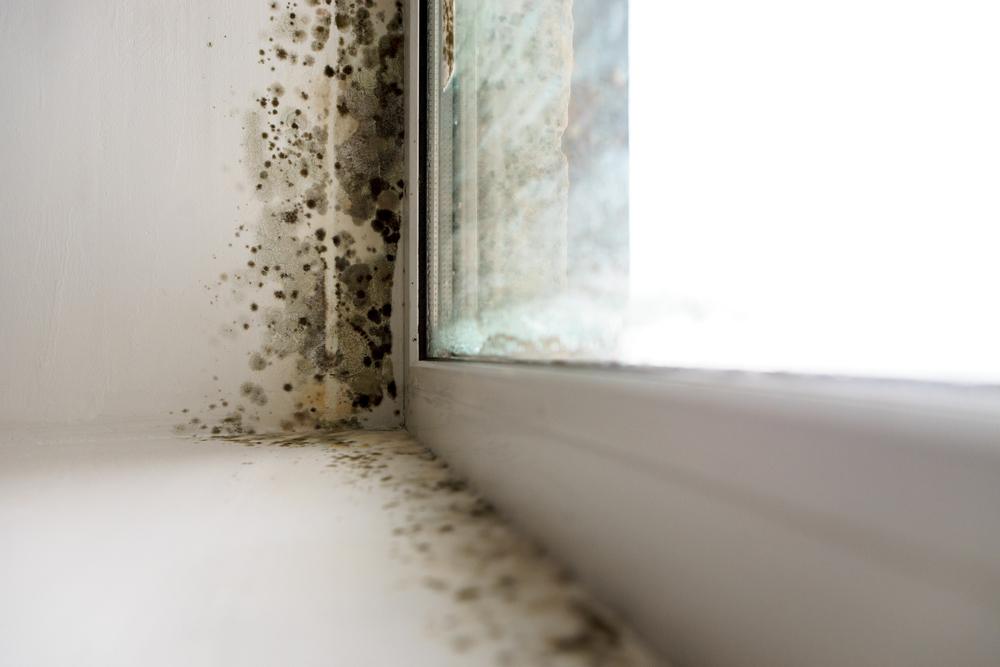
Look Out for These Signs Your Home Has Water Damage
No one wants to deal with water damage in their home. Unfortunately, it happens more often than you may realize, and generally, it happens without you even
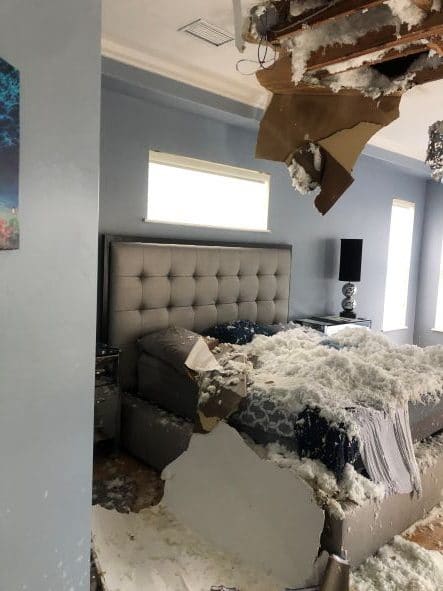
Broken Ceiling Emergency
It was a regular Saturday Morning until DryZone received a call for an emergency service in Fort Myers, Florida.
Disaster Preparedness Survival Kit
Here in Southwest Florida, a natural disaster such as a hurricane or tropical storm can happen anytime and once it happens, the time to prepare is gone.
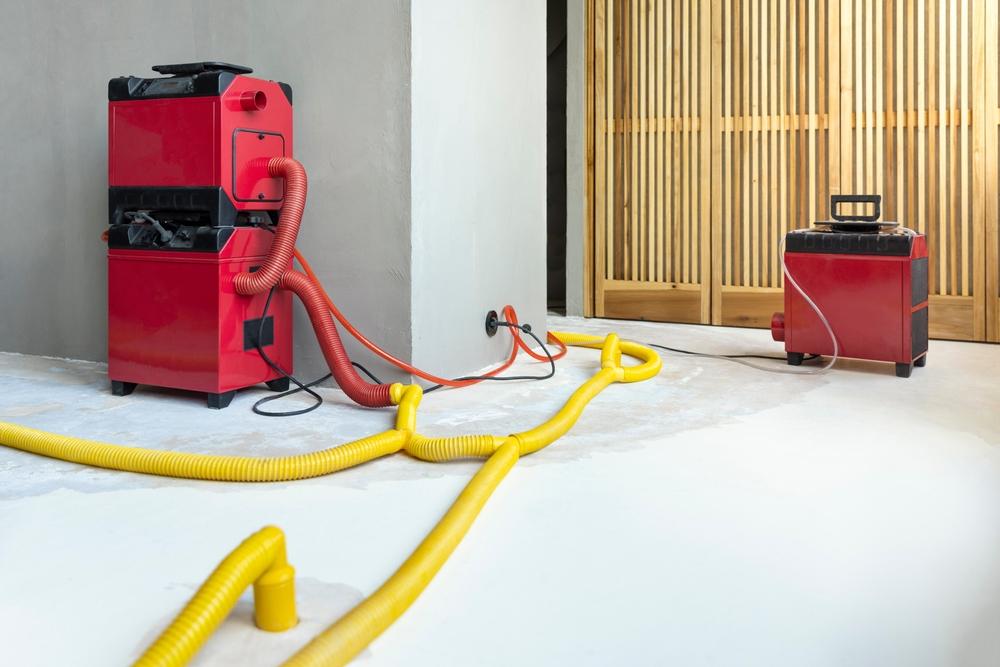
Drying or Cleaning First
In each loss, once a determination is made to restore an item, decisions should be made about whether to dry or clean the item first.
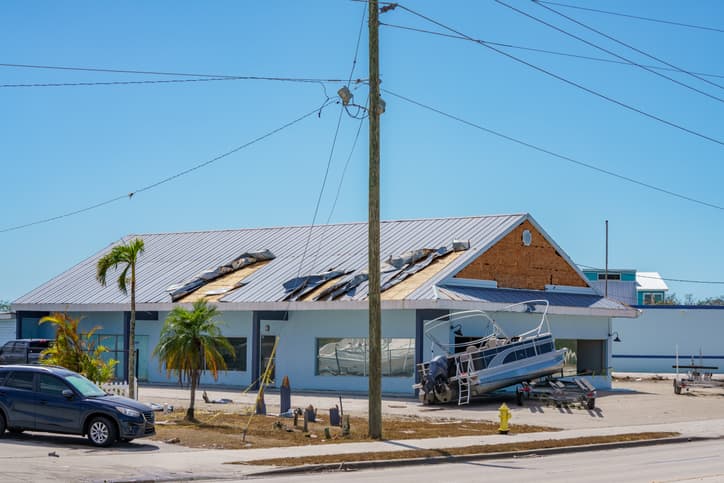
Storm Surge Cleanup on Marco Island: Saltwater Damage Guide
Saltwater storm surge on Marco Island corrodes metals and soaks CBS cavities. Learn cleanup priorities, drying steps, and when to call restoration pros.

What Happens on a Water Damage Visit
A water damage visit maps the wet materials, dries the structure, and separates that work from repairs. Drying often takes days. Rebuild is scoped after readings drop.