Loading article
Serving Southwest Florida for 25+ Years
24/7 Emergency: (239) 643-1990
Uncategorized
Why Mold Grows In Homes
You know the odor. It’s that musty, dank, damp, earthy, and altogether unpleasant smell that’s immediately recognizable. Call it mold or mildew, it’s not good news and it’s growing everywhere around us – in attics & air conditioning systems, on walls, clothing, shoes, and furniture.
Our homes are susceptible to mold growth for a variety of reasons, but no matter what the cause, mold can lead to both illness and compromised home value.
The subject of mold seems to come up more often these days. Is it becoming more plentiful or are we simply becoming more aware?
Here’s a fresh look at a stinky situation – what you should know about mold in your own backyard (and probably your house, too).
What are mold and mildew?
Mold is a type of fungi that grows in the natural environment. Tiny particles are indoors and out, thriving on moisture and high humidity levels, the hot and humid conditions we often experience here, are extremely conducive to growth, especially in the summer.
Mildew is a type of fungi as well and is referred to as a kind of mold or mold in its early stages. It can be downy or powdery. Downy mildew appears as yellow spots that become brighter, then turn brown. Powdery mildew is whitish, turning yellowish-brown before becoming black. Mold has a fuzzy appearance and can be orange, green, black, brown, pink, or purple in color.
Mold produces spores — microscopic cells that spread through the air, by water or insects, acting as seeds, creating new mold colonies when they land in just the right setting.
How can mold affect our health?
The most commonly reported health problems from exposure to mold are respiratory in nature – sneezing, stuffiness, coughing, wheezing, and throat irritation. Think red tide symptoms. Rashes and eye irritation are also typical reactions for those who are sensitive to mold. People with actual mold allergies may have more severe reactions, including shortness of breath, and more vulnerable populations – those with immune system problems and the elderly – may be more likely to get serious infections in their lungs.
Why do some homes seem so much moldier than others?
Experts agree that mold’s needs are simple: food (such as sheetrock, wood, or fabric), a suitable place to grow, and moisture. Even dust that settles in the right place can provide a steady diet.
Mold can enter your home through open doors, windows, vents, and heating and air conditioning systems. Airborne mold can also be conveniently carried indoors by piggybacking on clothing, shoes, bags, and pets. It flourishes almost anywhere that provides sufficient moisture or humidity.
Surprisingly, even newer houses built with state of the art technology can be prone to mold.
How can you prevent mold in your home?
The best way to deal with mold in the home is to prevent it from getting out of control. There is always some mold everywhere but there are ways to keep it from becoming a problem:
- Clean and dry out your home thoroughly and quickly (within 24 to 48 hours) after water infiltration from leak or flood.
- Keep humidity levels as low as you can – 50 percent is ideal – all day long. Window air conditioners, central air conditioning, and dehumidifiers in the dampest locations will help keep the air dry.
- Be sure your home has adequate ventilation. Use exhaust fans that vent outside from the kitchen, bathroom, and laundry room.
- Don’t carpet bathrooms or basements and use mold-killing products to clean bathrooms.
- Add mold inhibitors to paints.
- Maintain your home by keeping roofs, walls, windows, and plumbing in working order.
- Keep landscape plantings six to eight feet from your home’s foundation to allow sunlight and air movement, both of which help prevent mold.
- If you have a crawl space, install a vapor barrier between the ground and the floor above.
- Keep downspouts and irrigation systems moving water away from your house.
- If building a new home or remodeling, consult with experts to ensure that new materials and technologies are implemented correctly to prevent moisture from building up.
- Site any new construction to take advantage of air and light, encouraging prevailing summer breezes and discouraging prevailing winter breezes.
How should I deal with a current mold problem?
If you detect the odor of mold or see evidence of mold or mildew in your home, there are several ways to approach the problem. First, a home inspector who has received training in mold can come to verify your suspicions.
The Centers for Disease Control and Prevention does not recommend routine sampling for molds. According to its website, “If you can see or smell mold, a health risk may be present. You do not need to know the type of mold growing in your home. No matter what type of mold is present, you should remove it.” Instead, they recommend removing the mold and preventing further growth, providing guidelines for safely using bleach as a cleaning agent. If the area affected is greater than 10 square feet, they suggest consulting the U.S. Environmental Protection Agency (EPA) guide titled “Mold Remediation in Schools and Commercial Buildings.” Although its focus is not on homes, the document pertains to other building types as well. It is available online at the EPA website under mold remediation.
We never recommend cleaning up mold if it’s visible as it can spread invisibly through the air without proper containment barriers. However, if you choose to clean up mold in your home, here are several recommendations:
- Do not attempt to clean up mold if you have any symptoms of illness or allergies.
- Small areas of mold can be cleaned with detergent and water or a mildew and mold cleaner.
- Wear gloves and goggles during clean-up.
- Discard any sponges or rags you use.
- If the mold returns quickly or spreads you probably have a water leak or another ongoing moisture problem. Be sure you’ve searched for underlying causes before attempting clean-up.
- Bleach or other disinfectants may be needed on surfaces after mold removal if occupants are thought to be susceptible to fungal infections. Follow the label instructions carefully if you use chemical cleaning agents.
Regardless of if the mold growing in your home is visible or hidden, it’s highly recommended that you get a full mold inspection to determine the cause and source of the mold. Call us today for more information at
Related service
Concerned about mold?
Our certified team handles inspection, containment, removal, drying, and post-remediation guidance.
Mold remediation servicesRelated Articles

Common Telltale Signs There Are Molds in Your Florida Home
Mold can start growing in your home if there is a leak or if warm, moist air from outside gets into your home.
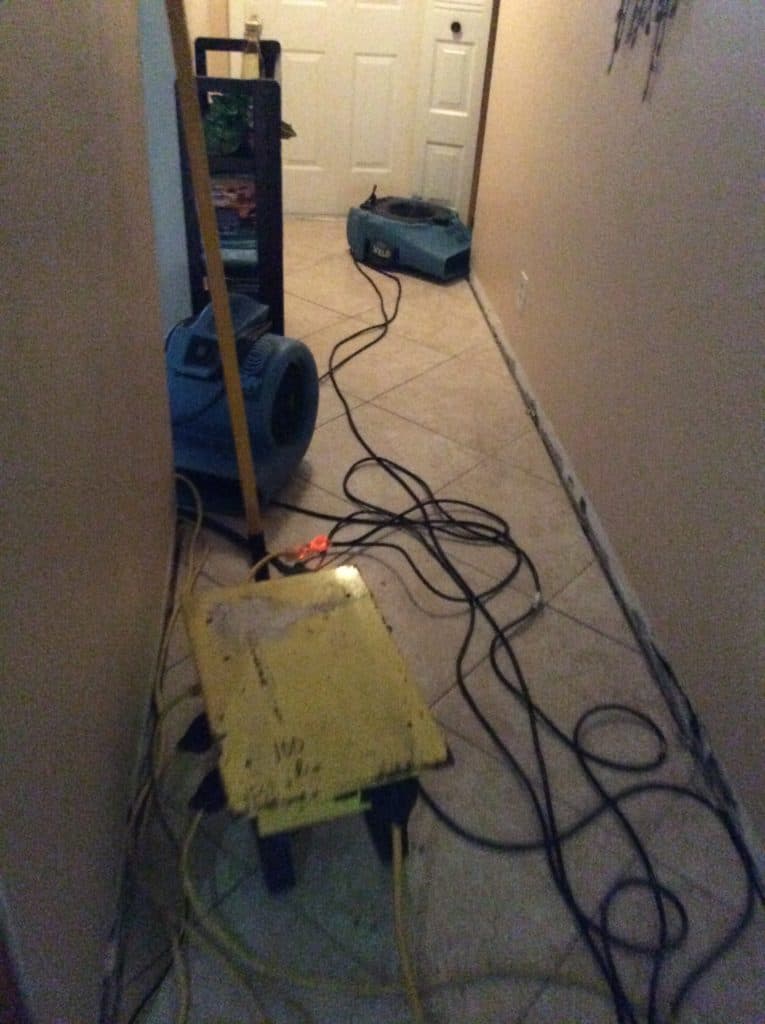
Water Damage on Thanksgiving Night in Naples, FL
On Thanksgiving night in Naples, DryZone responded to upstairs flooding within minutes—showing why fast water damage restoration prevents mold in SWFL.
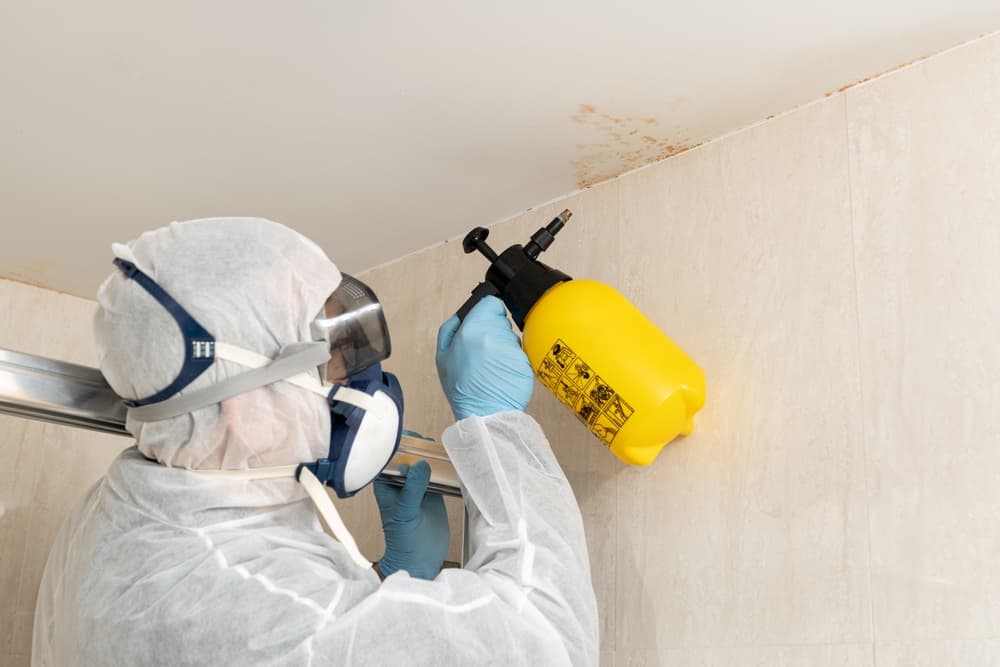
13 Steps We Follow When Removing Mold
DryZone frequently follows steps and protocols when remediating mold in a residential property. Reasons for setting proper goals and procedures are to.
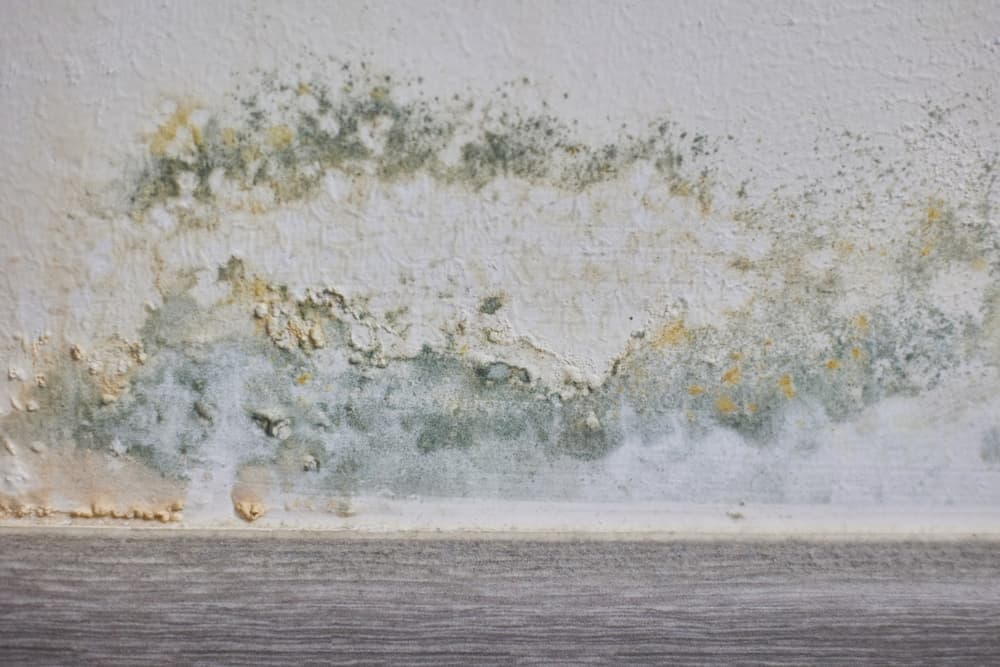
Black Mold: The Unwanted House Guest
You are in your house when something catches your eye – a black streak on the wall. You look closer. Oh no! Is that mold growing?
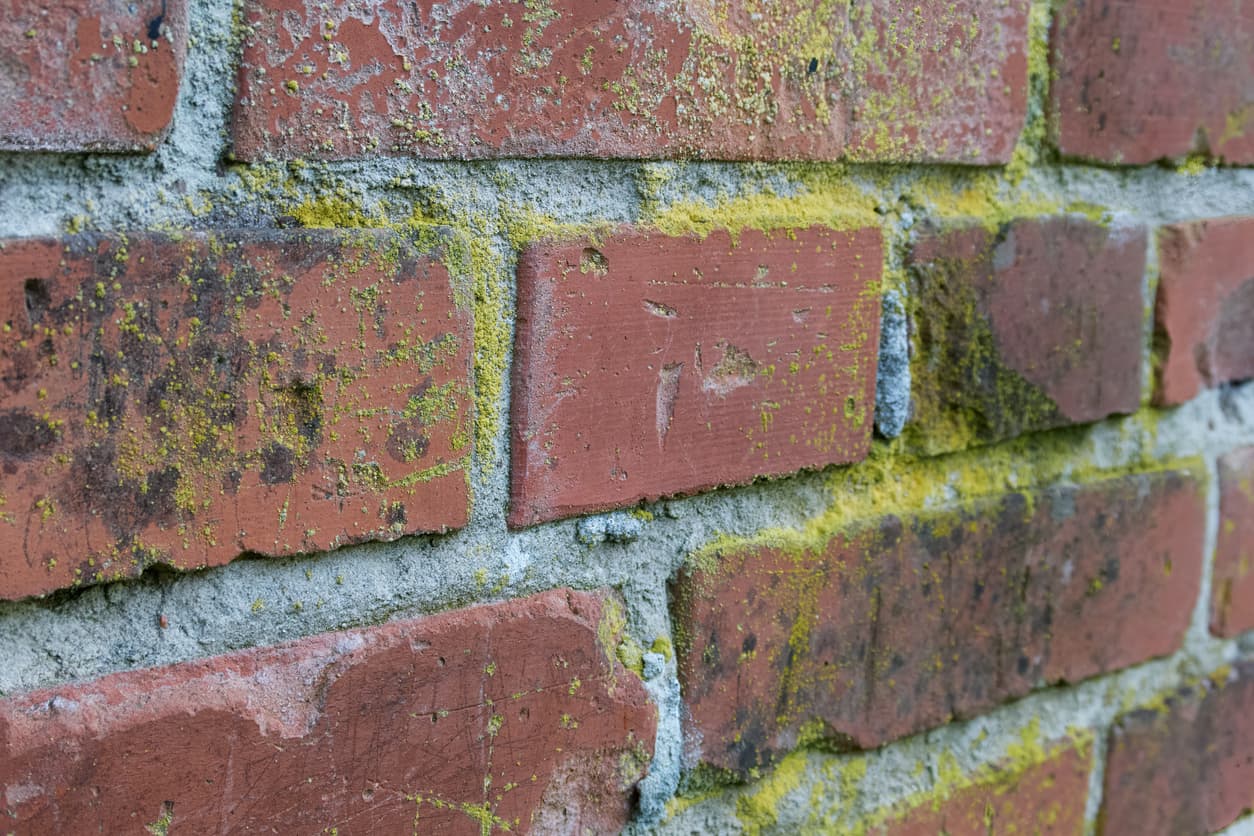
Simple Solutions to Common Causes of Mold in Your Home
Mold is a common problem in many homes, caused by excessive moisture and poor ventilation. It can cause a variety of health problems and structural.
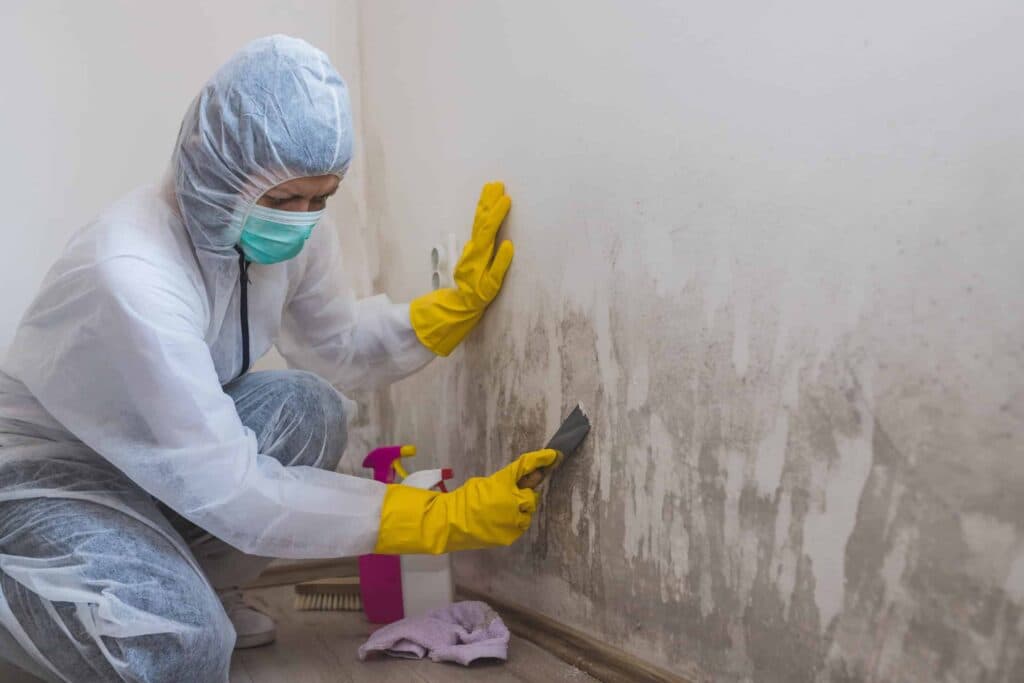
How Mold Spreads: 5 Preventive Measures for Mold Infestation
Mold is a type of fungus that can spread through the air, water, or by contact. When mold spores land on a damp surface, they can start to grow.