Loading article
Serving Southwest Florida for 25+ Years
24/7 Emergency: (239) 643-1990
Uncategorized
13 Steps We Follow When Removing Mold
DryZone frequently follows steps and protocols when remediating mold in a residential property. Reasons for setting proper goals and procedures are to ensure that the property is fully rid of the mold problem and that there is no chance for it to return.
Here are our steps:
-
We fully fix the problem that is causing the moisture and concurrent mold growth.2. We use high grade air scrubbers to circulate and filter airborne mold spores.
-
All visible fungi must be physically removed. Killing (bleaching) microorganisms usually does not destroy their antigenic or toxigenic properties. Areas that have developed fungal growth must be thoroughly cleaned by combining HEPA vacuuming and damp wiping and/or scrubbed with microbial wash. Fungal growth on framing members usually can be removed with wire brushing and HEPA vacuuming simultaneously or with HEPA vacuum attachments on sanders. porous building materials (e.g., drywall, insulation, etc.) that are Condition 3 contaminated (active growth) are removed and discarded. Substrates that cannot be cleaned must be disposed of.
-
Substrates that cannot be dried and cleaned of have sustained loss of integrity due to water or mold damage should be disposed. Particle board or pressed board should be discarded if any type of water incident caused them to come into contact with water. these types of wood products absorb a lot of water and retain it within the material and therefore cannot typically be dried effectively.
-
Drywall can be restorable if the water is Category 1 or 2, with no loss of structural integrity, no obvious swelling, seams are intact and there is no indication of fungal growth. Porous building materials that have been water damaged to the point that drying will not restore them to their pre-water exposure condition or have sustained loss of integrity should be removed and discarded, whether or not there is visible evidence of fungal growth.
-
When ceramic tile is in place over a concrete substrate it is typically highly moisture-resistant, especially when installed using mud-bed (mortar) methods. Some ceramic tile materials are permeable to varying degrees, permitting some evaporation through the tile itself. Other, such as glazed or porcelain types, are more or less impermeable, meaning water trapped in the substrate or under tiles can escape only through grout lines. A few representatives pieces of the tile flooring that are showing elevated moisture readings should be removed to determine whether or not mold growth could be supported below the tile. If mold growth is observed, all of the affected tile flooring should be removed and the remaining surfaces will need to be cleaned thoroughly.
-
Carpets that have been repeatedly dampened and which have an odor, or carpets that were damp/wet for more than 48 hours or have visible mold growth, should be discarded. Carpet pads that have been wet should always be discarded. Mold contaminated carpet can be covered with poly sheeting before it is cut and rolled up for removal to limit the release of airborne spores.
-
It is generally necessary to replace sheet vinyl flooring if trapped subsurface moisture is present.
-
Contaminated building materials should be removed carefully in as large a section as possible for bagging or wrapping with 6-mil disposal bags or securely wrapped in 6-mil poly sheeting.
-
Biocide application is not considered effective for mold remediation, except when unique circumstances and professional judgment dictates the appropriate use. the remediator must follow all federal, state, provincial and local laws and regulations, as well as product label directions.
-
All surfaces in home including furnishings, textiles and other appropriate items should be HEPA vacuumed and/or damp wiped.
-
HVAC system should be cleaned and sanitized; including the evaporator coils, fan blades, blower wheels and ductwork.
-
The supply vents with rust and mold presence can be cleaned and reused but may be more cost effective to replace the affected vents. Care should be taken to eliminate air leakage at the connection between the ducts and vents as well as around the vent to prevent reoccurrence.
-
Post Remediation Verification should be preformed by a CIE or CIH prior to any build-back occupancy.
Related service
Concerned about mold?
Our certified team handles inspection, containment, removal, drying, and post-remediation guidance.
Mold remediation servicesRelated Articles
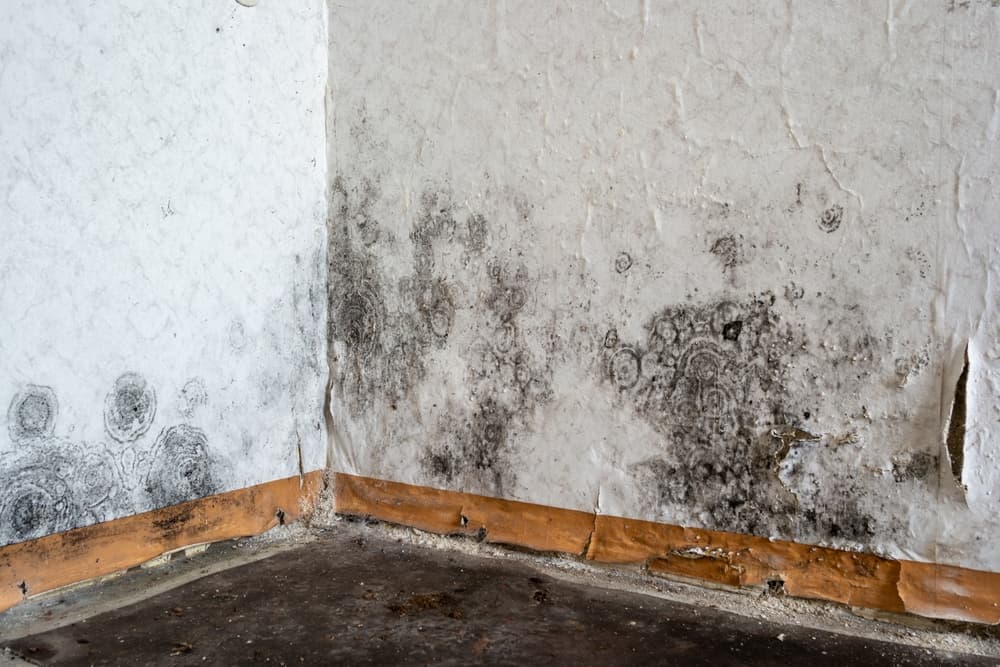
Everything You Need to Know about the Health Risks of Mold
Being a homeowner is beneficial, because you have a place to relax and live comfortably. However, it’s also a responsibility because it has to be clean.

Common Telltale Signs There Are Molds in Your Florida Home
Mold can start growing in your home if there is a leak or if warm, moist air from outside gets into your home.
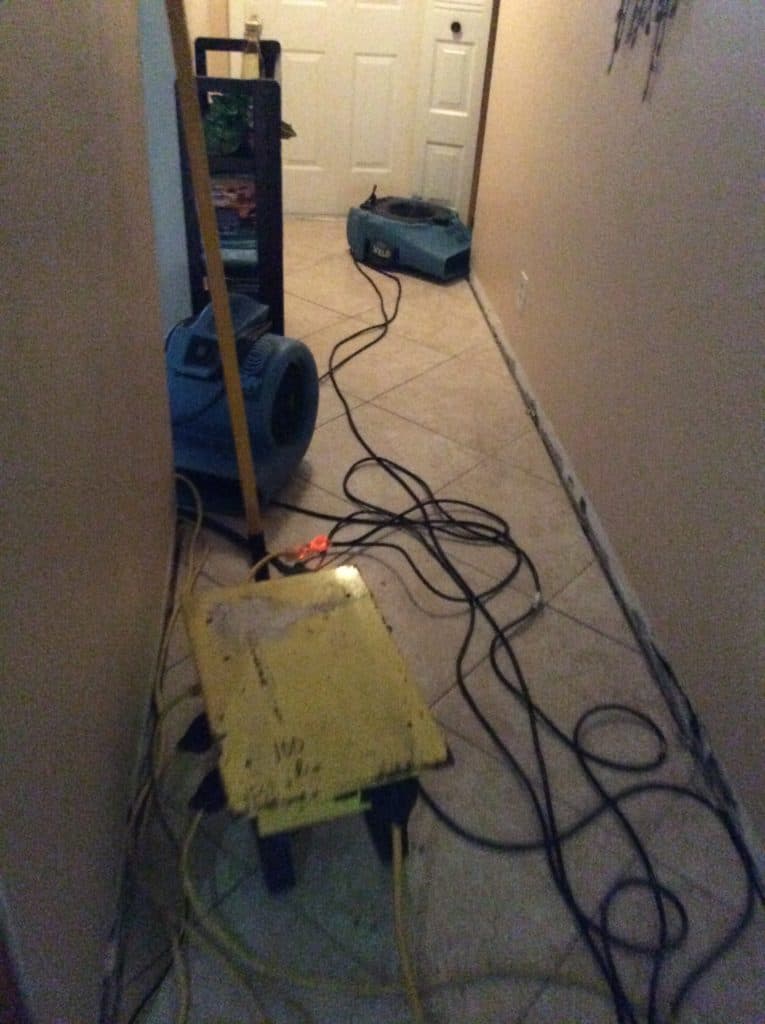
Water Damage on Thanksgiving Night in Naples, FL
On Thanksgiving night in Naples, DryZone responded to upstairs flooding within minutes—showing why fast water damage restoration prevents mold in SWFL.
Why Mold Grows In Homes
You know the odor. It’s that musty, dank, damp, earthy, and altogether unpleasant smell that’s immediately recognizable.
Black Mold: The Unwanted House Guest
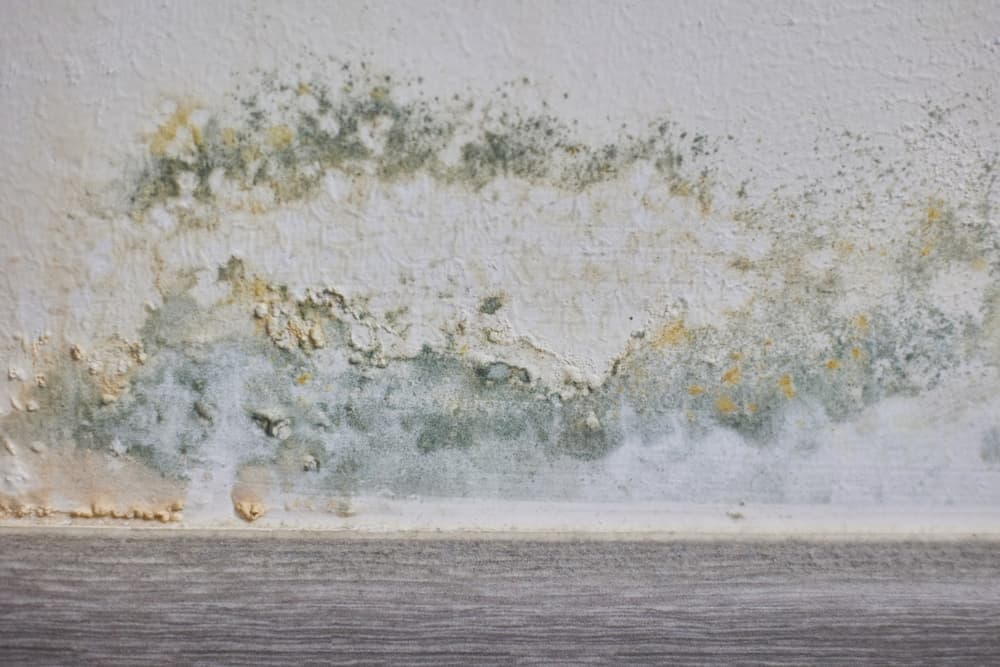
You are in your house when something catches your eye – a black streak on the wall. You look closer. Oh no! Is that mold growing?
Mold After AC Failure in Fort Myers: What Homeowners Should Do
When Fort Myers AC fails in humid weather, indoor moisture can spike fast. Learn warning signs, drying steps, and when to call mold remediation pros.