Loading article
Serving Southwest Florida for 25+ Years
24/7 Emergency: (239) 643-1990
MoldHVACFort Myers
Mold After AC Failure in Fort Myers: What Homeowners Should Do
In Fort Myers, air conditioning is not just comfort—it is moisture control. Southwest Florida’s outdoor humidity routinely sits in a range that keeps indoor surfaces damp when the AC stops running. After Hurricane Ian and during summer outages, many Lee County homeowners discovered mold growth days after the power or HVAC system failed, even when no pipe burst and no floodwater entered the home.
If musty odors or visible growth appear after an AC outage, professional mold remediation in Fort Myers can stop the problem from spreading through drywall, closets, and ductwork.
How AC Failure Creates Mold Conditions
Mold needs moisture, organic food (dust, drywall paper, wood), and time. Fort Myers supplies the first two almost year-round. A working AC system cools air and removes humidity through the evaporator coil. When that process stops:
- Indoor relative humidity rises toward outdoor levels
- Condensation can form on cool surfaces as temperatures swing
- Closets, guest rooms, and laundry areas stay still and damp
- Carpet edges, baseboards, and CBS wall cavities hold moisture longer
Even a 48–72 hour outage in July or August can create conditions for mold colonization, especially if windows stay closed for security or outdoor air quality is poor after a storm.
Secondary issues make it worse. A failed condensate drain can leak into ceilings and closets. A shorted blower can leave a wet coil sitting idle. Portable window units without proper drainage can drip into wall cavities. Citizens and other insurers may treat mold differently depending on whether the cause was a covered sudden event or gradual humidity—documentation matters.
Early Warning Signs After an Outage
Do not wait for black patches on walls. Watch for:
- A persistent musty smell in closed rooms or HVAC registers
- Condensation on windows that does not clear after cool air returns
- Soft or discolored drywall near vents, closets, or exterior walls
- Spotted ceilings under upstairs AC air handlers common in Florida homes
- Allergy-like symptoms that improve when you leave the house
In CBS construction typical around Fort Myers, moisture can hide behind vinyl flooring or baseboards. Surface wiping may hide stains without drying the cavity.
What to Do in the First 24–48 Hours
Restore cooling and dehumidification safely. Once power is reliable, restart AC and consider a portable dehumidifier in the dampest rooms. Aim to pull indoor humidity down—ideally toward the mid-40s to mid-50s percent range when possible.
Increase air movement. Open closet doors, pull furniture slightly off exterior walls, and run fans across wet areas after any condensate leak is stopped.
Discard what cannot be dried quickly. Wet ceiling tiles, soaked particleboard cabinets, and heavily wet carpet padding often cannot be saved in Florida humidity.
Document for insurance. Photograph the failed equipment if relevant, any leaks, and all affected rooms before major demolition. Note dates of outage and discovery. Ian-era claims taught many homeowners that adjusters want a clear timeline.
Avoid aggressive DIY scrubbing of large growth. Disturbing mold without containment can push spores into clean rooms and the return air path.
When DIY Is Not Enough
Small spots on non-porous surfaces after a short outage may clean with proper methods. Larger growth on drywall, insulation, or HVAC components usually needs professional remediation: containment, controlled removal, HEPA filtration, and verification that moisture sources are corrected.
Fort Myers homes with ducted systems can recirculate spores if the air handler or supply boots were wet. Cleaning visible wall mold while leaving a contaminated plenum often leads to a quick return of odors.
A remediation plan should also confirm the moisture source is fixed—repairing only the mold without fixing condensate drains, roof leaks, or chronic humidity leaves you back where you started after the next summer storm.
Prevention for the Next Outage
- Service AC before peak season; clear condensate lines
- Install a condensate overflow switch that shuts the system down before a ceiling flood
- Keep a dehumidifier available for multi-day outages when a generator can run it
- After storms, check closets and guest rooms that stay closed
- Consider smart humidity sensors that alert you while you are away
Seasonal residents who leave Fort Myers homes closed for weeks should not shut systems off entirely without a humidity plan. “Vacation mode” that kills cooling often creates perfect mold incubators.
Fort Myers Homes After Storms and Extended Outages
Post-Ian recovery left many Lee County homes with temporary repairs, portable coolers, or delayed HVAC replacements. Those stopgaps can control temperature without controlling humidity. If you relied on open windows during muggy nights, outdoor spores and moisture entered at the same time.
Check drywall behind large furniture and along exterior CBS walls after any multi-day outage. Soft spots near supply registers deserve moisture meter checks. Citizens and private insurers may ask whether the mold followed a sudden covered event or gradual humidity—your dated photos of the failed AC and the first appearance of growth help tell that story accurately.
Get Local Mold Help in Fort Myers
If your home sat without AC during a heat wave, tropical storm, or equipment failure and you now smell must or see growth, act before it spreads into wall cavities and contents. DryZone helps Lee County homeowners with inspection support coordination, containment, and Fort Myers mold remediation.
Request service through our quote page or call (239) 643-1990 for help addressing mold after AC failure in Fort Myers and nearby Southwest Florida communities.
Related service
Need mold help in Fort Myers?
DryZone provides mold inspection, mold testing, containment, removal, drying, and black mold cleanup for Fort Myers properties.
Fort Myers mold remediation servicesRelated Articles

Hidden Mold in Estero Seasonal Homes: What Snowbirds Miss
Estero seasonal homes left closed for months often hide mold in closets and AC rooms. Learn inspection tips, humidity control, and remediation next steps.
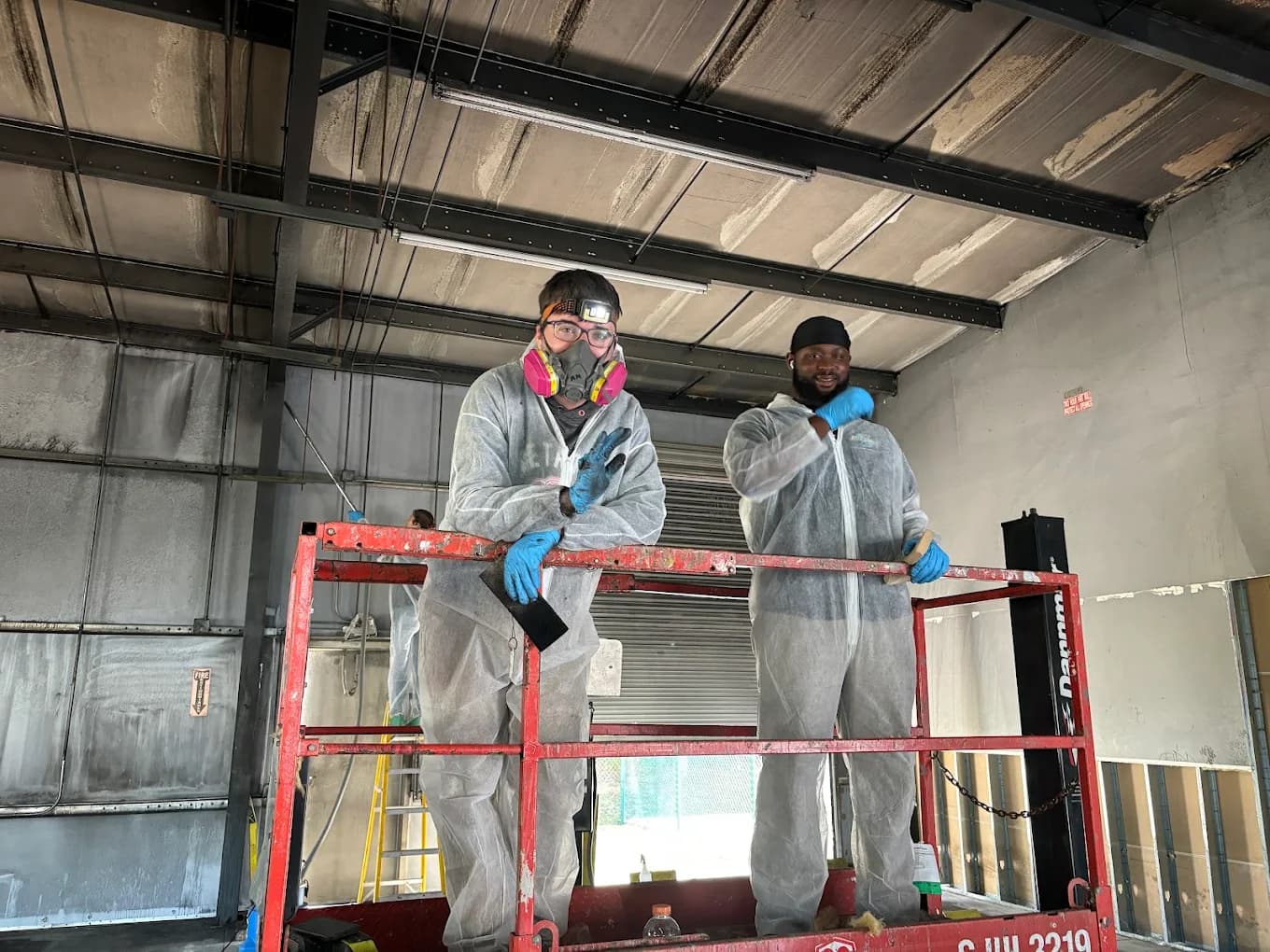
Types of Mold You Can Find in Florida Homes
Learn about the most common mold species found in Southwest Florida homes — including black mold — and what to do if you spot them.
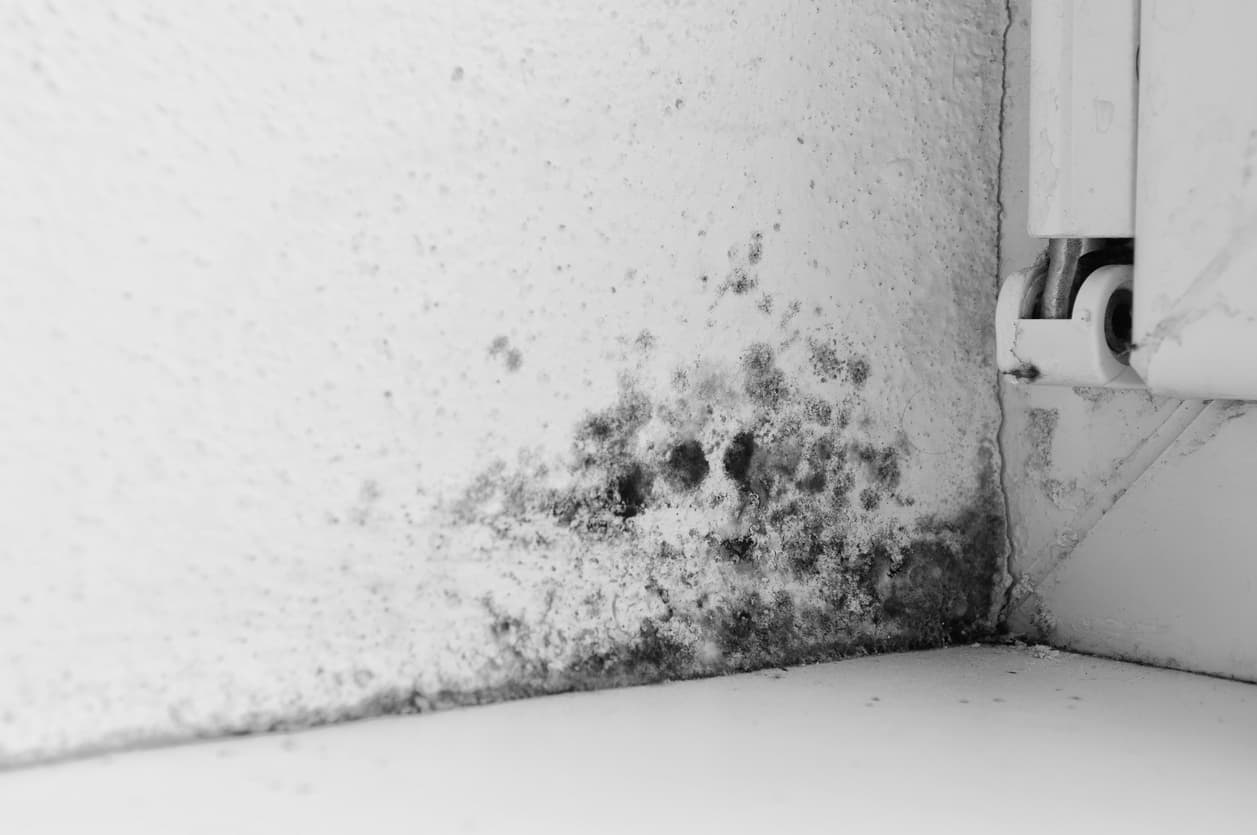
Types of Mold in Florida
Aspergillus, Cladosporium, and other molds thrive in Florida humidity. Common indoor types and when homes need professional remediation.
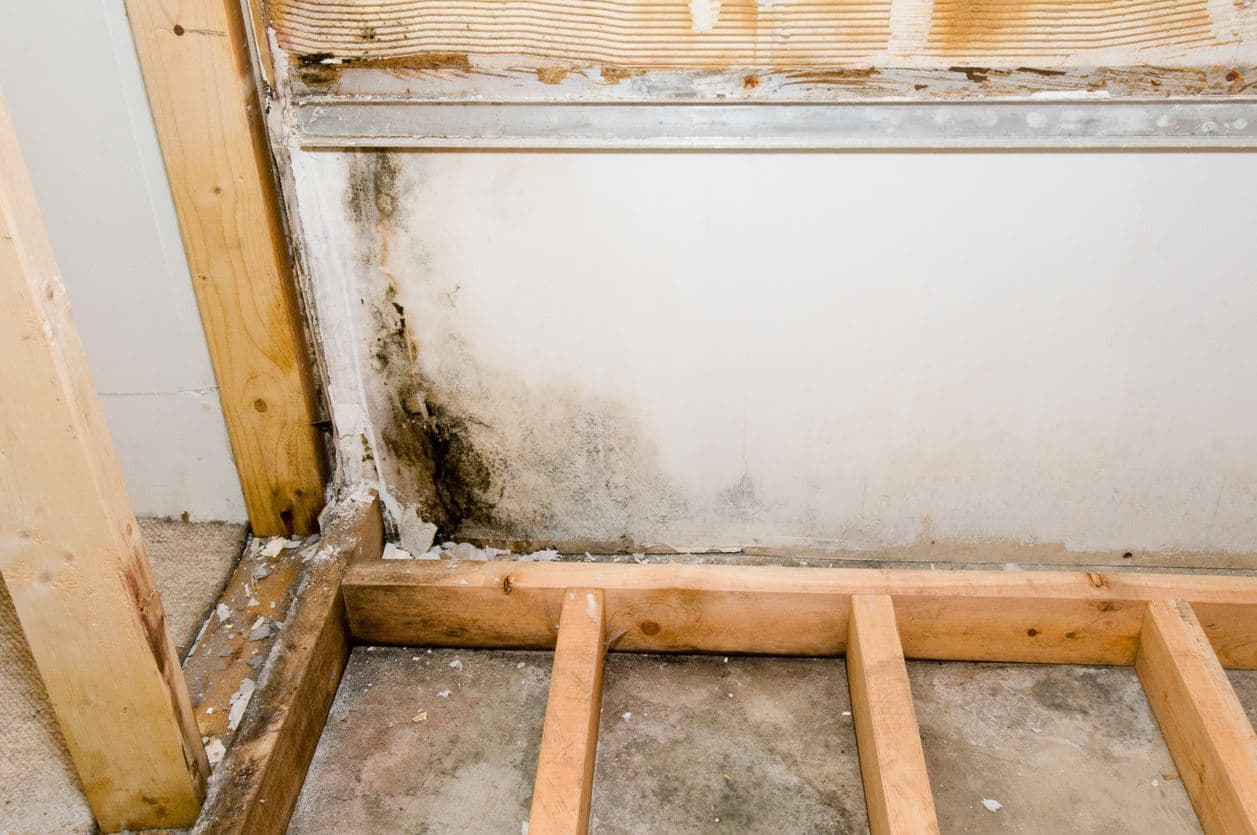
DIY vs. Professional Mold Remediation: Navigating the Best Path for Your Home
Compare DIY mold cleanup with professional remediation, including when containment, PPE, and verified drying are needed in Southwest Florida humidity.
5 Notable Benefits of Professional Mold Inspection
A professional mold inspection finds hidden moisture and growth DIY checks miss—especially in humid Southwest Florida homes.
When Should Homeowners Call For Mold Inspection Services?
Musty smells, past water damage, health symptoms, or AC failures are reasons Southwest Florida homeowners should get a mold inspection.