Loading article
Serving Southwest Florida for 25+ Years
24/7 Emergency: (239) 643-1990
MoldSeasonal HomesEstero
Hidden Mold in Estero Seasonal Homes: What Snowbirds Miss
Estero’s mix of golf-course communities, gated neighborhoods, and seasonal residents creates a familiar Southwest Florida pattern: homes sit closed for weeks or months with the AC set high—or turned off entirely—to save on electric bills. When owners return in fall or winter, they open the door to a musty smell, spotted closets, or worse, hidden growth behind furniture and in mechanical rooms.
Hurricane Ian reminded many part-time residents that humidity and storm-related moisture do not pause while you are up north. If you suspect growth after a vacant period, mold remediation in Estero should start with finding the moisture source—not only scrubbing what you can see.
Why Seasonal Homes Grow Mold So Easily
Mold does not need a flood. It needs elevated moisture and time. Estero’s climate delivers outdoor humidity that quickly equalizes indoors when cooling and dehumidification stop.
High-risk setups include:
- Thermostats set to “off” for the summer
- AC set so high that the system rarely runs long enough to dehumidify
- Closed closets packed with clothing against exterior CBS walls
- Guest bathrooms with poor airflow
- Laundry rooms and AC closets with past condensate drips
- Impact-sealed homes that trap moisture when mechanical systems fail
CBS walls common in Lee County can look solid while moisture lingers in cavities. Vinyl flooring and baseboards may conceal edge wetting from minor leaks that ran while the house was empty.
Where Hidden Mold Shows Up First
Return-home inspections should go beyond the living room:
- Closets and wardrobes along exterior walls
- Under and behind beds pushed tight to walls
- Air handler closets and supply boots
- Under kitchen and bath sinks
- Inside cabinets against wet drywall
- Attic hatches and garage entries where temperature differentials create condensation
Trust your nose. A musty odor that hits when you open the door is diagnostic even before visible colonies appear. Spores and microbial volatile compounds often announce a problem early.
After storms, also check for roof or screen enclosure issues that allowed rain intrusion while you were away. Ian-era repairs that were only cosmetic sometimes left damp insulation in place.
A Practical Return Checklist for Estero Snowbirds
- Walk every room with lights on; smell closed spaces separately.
- Look for cupping wood, stained ceiling corners, and soft drywall.
- Inspect the air handler drain pan and condensate line.
- Check water heater pans and visible supply lines.
- Review any smart humidity or leak sensor logs if installed.
- Change filters; note any microbial growth on returns (call pros—do not bang dusty filters around living space).
If you find growth larger than a small non-porous spot, or if drywall is involved, avoid aggressive brushing that spreads spores through a sealed seasonal home.
Humidity Strategies That Prevent Vacancy Mold
The goal is moisture control, not merely a cool thermostat number.
- Keep the system in a mode that runs enough to dehumidify, or use a whole-home/portable dehumidifier on a monitored circuit
- Open closet doors slightly or use ventilated shelving
- Pull furniture a few inches off exterior walls before long absences
- Fix condensate drains before you leave for the season
- Install water and humidity sensors with phone alerts
- Ask a trusted local contact to do a monthly walkthrough in summer
Electric savings from shutting AC off are often erased by mold remediation, contents loss, and insurance headaches. Some Citizens and private policies limit mold coverage or impose sublimits—prevention is cheaper than arguing a claim.
When to Call for Professional Remediation
Call pros when you find growth on porous materials, recurring musty odors after cleaning, suspected HVAC contamination, or moisture meter readings that stay elevated. Remediation should include source correction, containment as needed, removal of unsalvable materials, and drying verification suited to Florida conditions.
Seasonal owners sometimes authorize work remotely. Ask for photo documentation, moisture logs, and a clear scope so you are not surprised when you return.
Working With Remote Owners and Property Managers
Many Estero seasonal owners authorize repairs from another state. Share a simple decision tree with your manager: water shutoff authority, approved restoration vendor, spending cap for emergency drying, and who receives daily photo updates. That structure prevents a small condensate overflow from becoming a weeks-long unchecked mold bloom.
If you use a cleaning service between seasons, ask them to report musty odors immediately rather than masking them with sprays. Fragrance does not fix moisture. After Ian, some homes also had incomplete roof or screen repairs that allowed rain intrusion during afternoon storms while owners were away—have those checked before peak summer vacancy.
Local Mold Help for Estero Seasonal Properties
DryZone assists Estero and nearby community homeowners with mold problems discovered after vacancy, storms, or AC failures. We understand snowbird timelines and the need for clear communication with out-of-state owners.
Visit Estero mold remediation, request service at /quote, or call (239) 643-1990 to schedule help for hidden mold in your seasonal home.
Related service
Need mold help in Estero?
DryZone provides mold inspection, mold testing, containment, removal, drying, and black mold cleanup for Estero properties.
Estero mold remediation servicesRelated Articles
Mold After AC Failure in Fort Myers: What Homeowners Should Do
When Fort Myers AC fails in humid weather, indoor moisture can spike fast. Learn warning signs, drying steps, and when to call mold remediation pros.
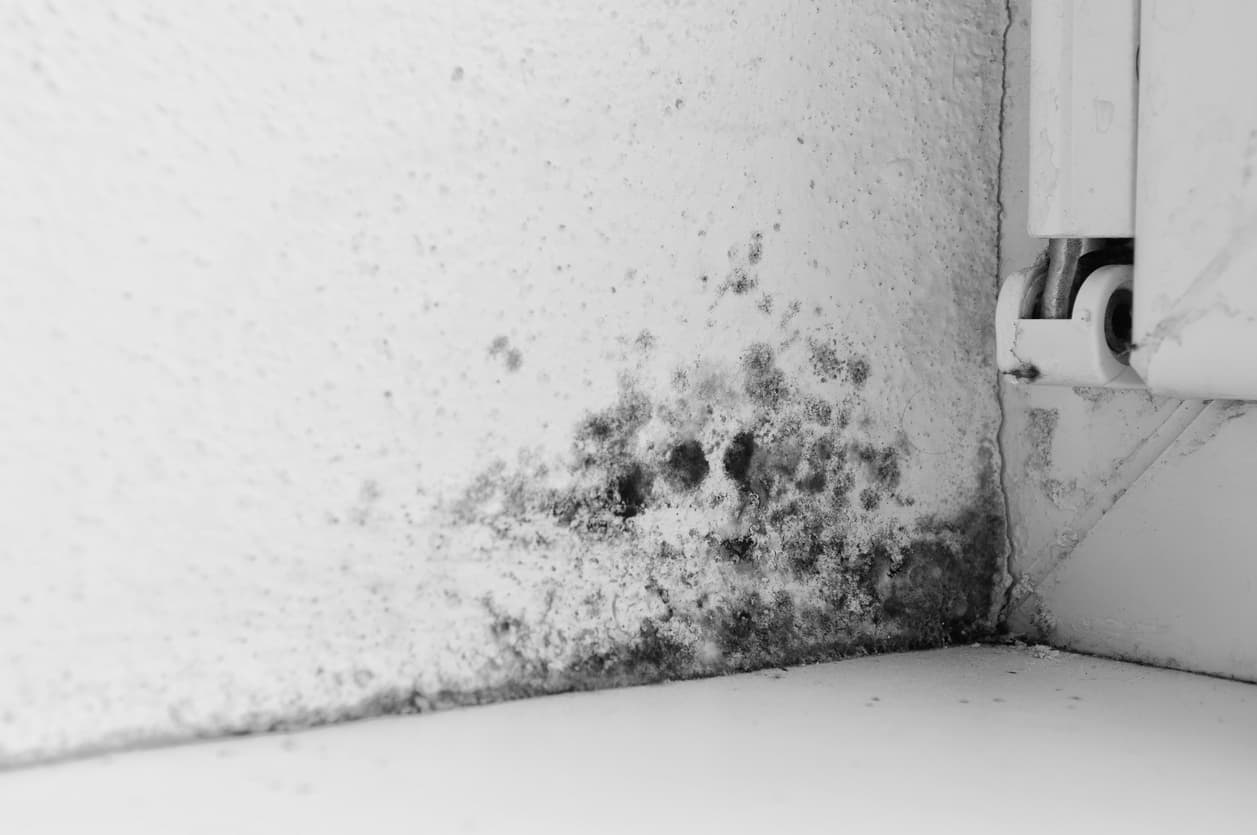
Types of Mold You Can Find in Florida Homes
Learn about the most common mold species found in Southwest Florida homes — including black mold — and what to do if you spot them.
Types of Mold in Florida
Aspergillus, Cladosporium, and other molds thrive in Florida humidity. Common indoor types and when homes need professional remediation.
When Should Homeowners Call For Mold Inspection Services?
Musty smells, past water damage, health symptoms, or AC failures are reasons Southwest Florida homeowners should get a mold inspection.
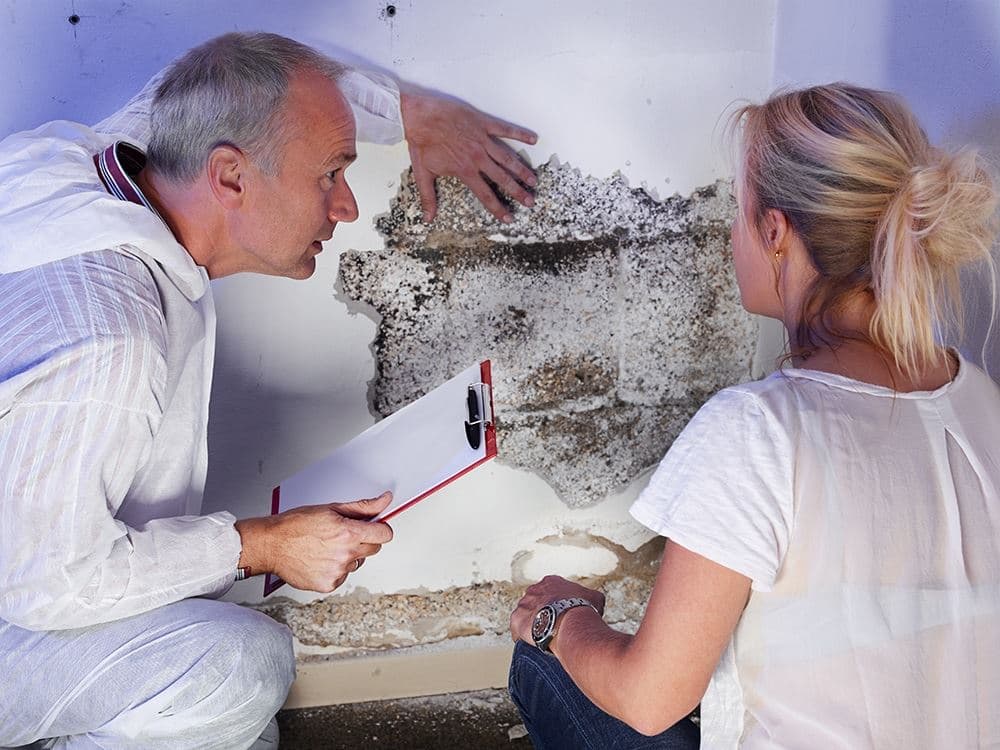
5 Notable Benefits of Professional Mold Inspection
A professional mold inspection finds hidden moisture and growth DIY checks miss—especially in humid Southwest Florida homes.
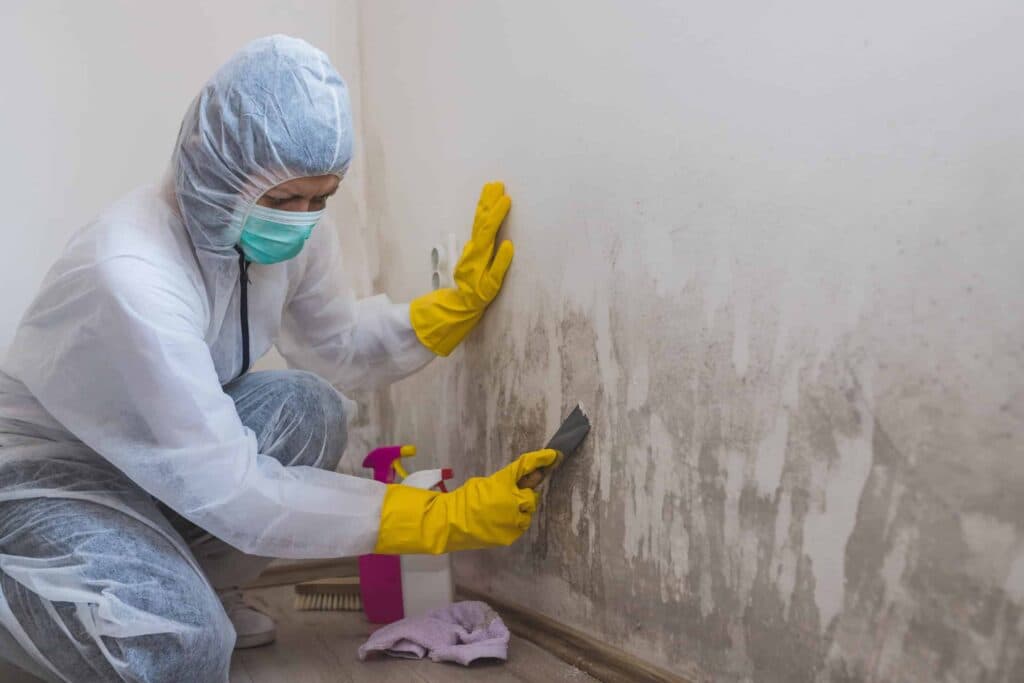
How Mold Spreads: 5 Preventive Measures for Mold Infestation
Mold is a type of fungus that can spread through the air, water, or by contact. When mold spores land on a damp surface, they can start to grow.