Loading article
Serving Southwest Florida for 25+ Years
24/7 Emergency: (239) 643-1990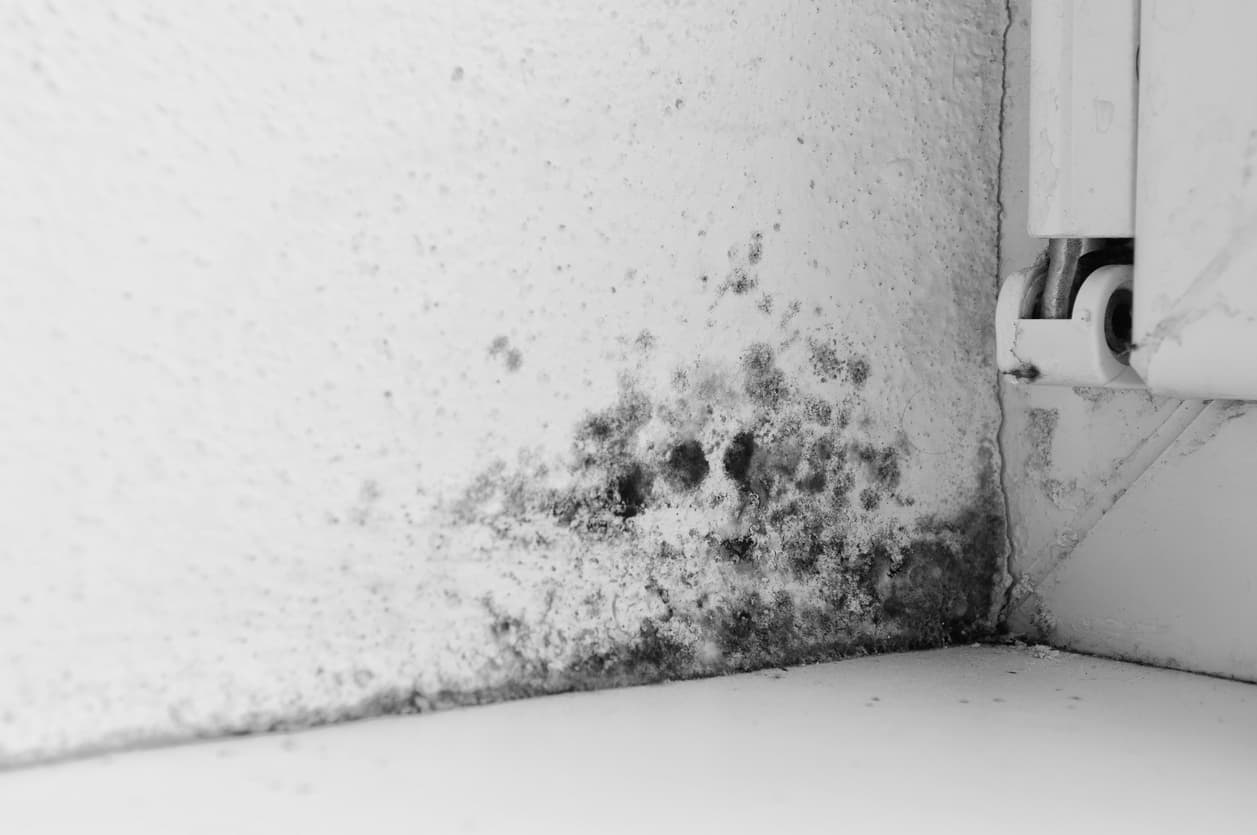
Mold
Types of Mold Found in Florida Homes
A musty closet or a dark spot on drywall in Southwest Florida is a moisture problem first. Naming the mold from its color does not tell you whether the wall is wet, how far it traveled, or whether the growth is active. Indoor air always contains some spores. The useful question is whether a material is damp enough to support growth.
Naples and the rest of the coast stay humid enough that damp drywall can support mold in under 24 hours. Seasonal homes make that worse: air conditioning set high, or turned off, lets closets and AC closets stay wet while the owner is away. Concrete block walls can hold that moisture out of sight.
What you can and cannot tell by looking
Color, fuzz, and a musty smell are reasons to investigate. They are not a species identification. Aspergillus, Cladosporium, Acremonium, and Mucor are all reported in damp Florida buildings, and more than one can be present in the same room. A lab sample can describe what is in the air or on a surface. It does not, by itself, decide which materials come out.
Do not culture a sample at home, and do not scrub a large area dry. Brushing dry growth on porous material spreads spores through the house, especially in a closed seasonal condo.
Types often found where Florida homes stay damp
Aspergillus is common in dust and in chronically damp rooms. It is associated with musty odor and with allergy and asthma symptoms in people who are sensitive. Finding the name on a report still means: find the water.
Cladosporium shows up on bathroom surfaces, supply grilles, and around air handlers. In this climate it often tracks an AC closet, a condensate pan, or a bathroom that never really dries.
Acremonium prefers very wet material: wallboard that stayed wet, humidifier reservoirs, and cooling equipment. If you can see it on a wall, the board has usually been damp for more than a day.
Mucor grows on decaying organic material and can look fuzzy. Outdoors that is normal decay. Indoors it means something organic stayed wet: carpet pad, paper facing, or stored belongings in a closed room.
Other dark molds get called “black mold” in everyday speech. Color still does not identify Stachybotrys or predict health effects. If someone in the home is wheezing or the area is larger than a small spot on a hard surface, treat it as a remediation question, not a cleaning question.
Inspection, removal, and clearance are different jobs
An inspection finds the wet materials and the likely source. A surface or air sample, when it is useful, describes what is there. It is not a prescription to tear out every wall that shares the name of a mold on the report.
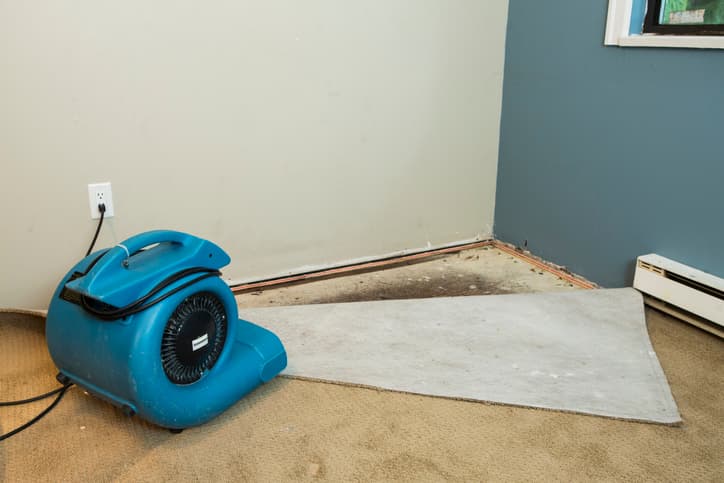
Removal means containing the work area, taking out materials that cannot be cleaned, and cleaning what can stay. Porous items that stayed wet, such as carpet pad and wet drywall facing, usually cannot be wiped and reused. Hard surfaces often can, after the source is fixed.
Clearance is a check after that work, often by a separate tester, comparing the work area with an agreed standard. A passed clearance means the cleaned area is acceptable to reopen. It does not mean the outdoor air, or the rest of the house, is spore-free. Florida air is not spore-free on a normal day.
Occupied houses and vacant seasonal houses are inspected the same way. The difference is access. If you are out of state, someone on site still has to open the AC closet and the rooms that were shut. A phone photo of a spot on paint is not a moisture map.
What to do next
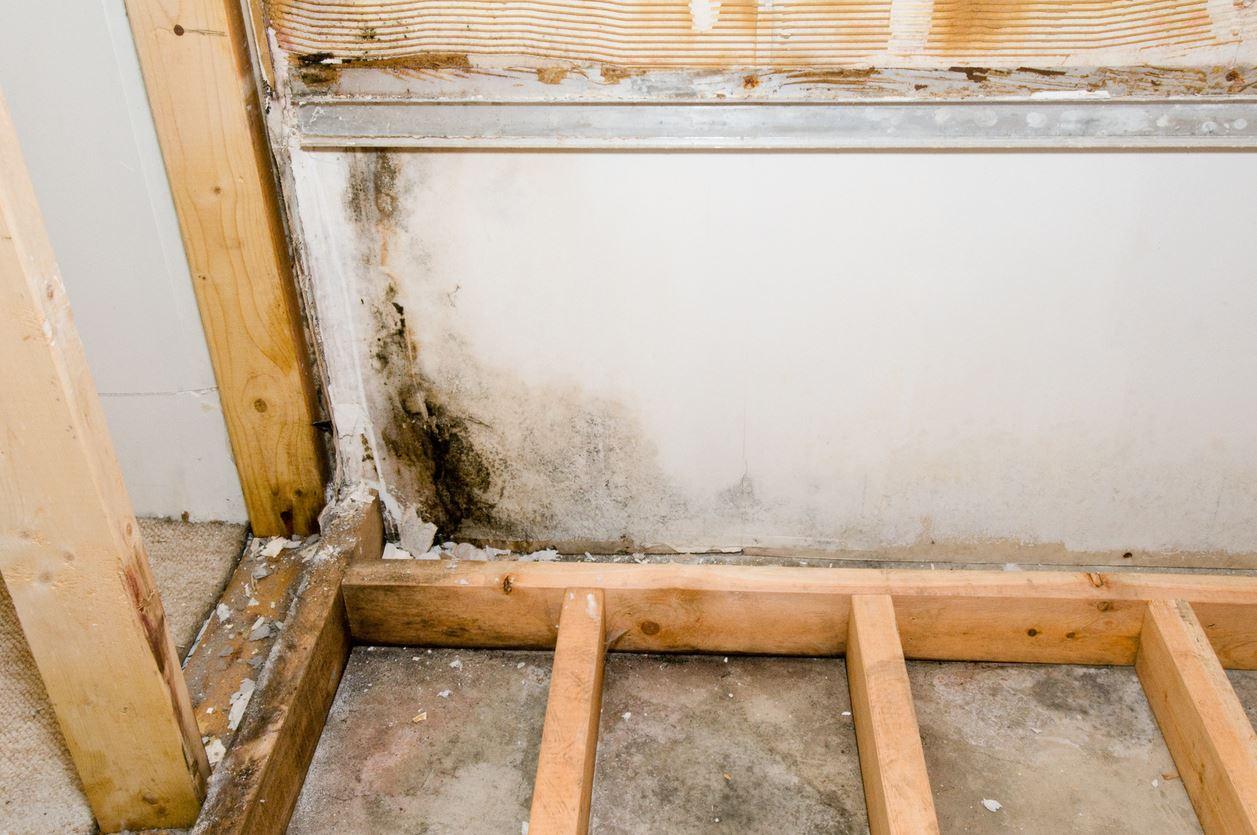
Stop the moisture if you safely can: a condensate line, a supply leak, or a roof drip. Leave wet drywall and insulation in place until someone maps the moisture. In CBS construction the stain on paint can be several feet from the wet core.
A proper visit separates inspection, removal of contaminated materials, drying, and clearance. Clearance testing checks the work area after drying. It does not mean every spore in the house is gone. Mold remediation in Naples and nearby cities starts with that sequence. If the home is vacant, the same visit can be coordinated while you are away: one contact and daily photo updates are part of DryZone’s published concierge service.
For a musty seasonal house, start with hidden mold in Estero seasonal homes if that pattern matches, or call (239) 643-1990. For a planned inspection, use /quote.
Related service
Need mold help in Naples?
DryZone provides mold inspection, mold testing, containment, removal, drying, and black mold cleanup for Naples properties.
Naples mold remediation servicesRelated Articles

Hidden Mold in Estero Seasonal Homes: What Snowbirds Miss
Estero seasonal homes left closed for months often hide mold in closets and AC rooms. Learn inspection tips, humidity control, and remediation next steps.
Mold After AC Failure in Fort Myers: What Homeowners Should Do
When Fort Myers AC fails in humid weather, indoor moisture can spike fast. Learn warning signs, drying steps, and when to call mold remediation pros.
DIY vs. Professional Mold Remediation: Navigating the Best Path for Your Home
Compare DIY mold cleanup with professional remediation, including when containment, PPE, and verified drying are needed in Southwest Florida humidity.
Health Issues Caused by Mold Growth
Mold can be a homeowner's worst nightmare. It is unsightly and smelly and can cause health issues if not promptly resolved.
The Benefits of Professional Water Extraction Services
Professional water extraction limits structural damage and mold by removing standing water quickly after floods in Southwest Florida.
5 Notable Benefits of Professional Mold Inspection
A professional mold inspection finds hidden moisture and growth DIY checks miss—especially in humid Southwest Florida homes.